 英语
英语 西班牙语
西班牙语 德语
德语Noticias de la industria


Ponerse en contacto
+86-0523-83274900
+86-151 9064 3365
Contenido
Acoplamientos mecanizados se utilizan principalmente para la conexión rápida y sin herramientas de mangueras contra incendios, bombas contra incendios, pistolas de agua y otros equipos de extinción de incendios. Basados en una conexión a presión de tipo inserto con un mecanismo de bloqueo de bayoneta, permiten a los bomberos unir o desconectar secciones de mangueras y aparatos en segundos, una capacidad que reduce directamente el tiempo de respuesta de emergencia y puede significar la diferencia entre contener un incendio temprano y permitir que se propague. Los acoplamientos Machino se encuentran en camiones de bomberos, sistemas de hidrantes, bombas portátiles y boquillas de extinción en redes de protección contra incendios municipales, industriales y de instalaciones en todo el mundo.
Un acoplamiento Machino es un sistema de acoplamiento de manguera contra incendios estandarizado construido alrededor de un mecanismo de conexión a presión estilo bayoneta. A diferencia de los acoplamientos roscados que requieren rotación para apretarse, o de los acoplamientos que necesitan herramientas o llaves para asegurar, el diseño Machino funciona mediante una acción de empujar y girar: una mitad del acoplamiento se inserta en la otra y se gira una distancia corta (normalmente entre 45 y 90 grados) hasta que las orejetas de bayoneta se bloquean en las ranuras correspondientes. Luego, la conexión se sella bajo presión de agua y el mismo movimiento a la inversa la libera.
Este mecanismo ofrece varias ventajas funcionales críticas en contextos de extinción de incendios. Las conexiones se pueden completar con una mano, en menos de cinco segundos, incluso con guantes de extinción de incendios. El acoplamiento no depende del enganche de la rosca, lo que significa que es menos susceptible a roscas cruzadas, atascos por residuos o agarrotamiento debido a la corrosión. Una junta de goma asentada dentro del casquillo proporciona un sello hermético y las orejetas de bloqueo de bayoneta evitan que el acoplamiento se separe bajo las altas presiones dinámicas generadas por las bombas contra incendios.
El sistema de acoplamiento Machino se adopta ampliamente en Asia y otras regiones como estándar nacional o regional para infraestructura de extinción de incendios. Su estandarización dimensional garantiza que equipos de diferentes fabricantes puedan interconectarse en el lugar del incendio, un requisito crítico cuando varias unidades o agencias responden a un solo incidente.
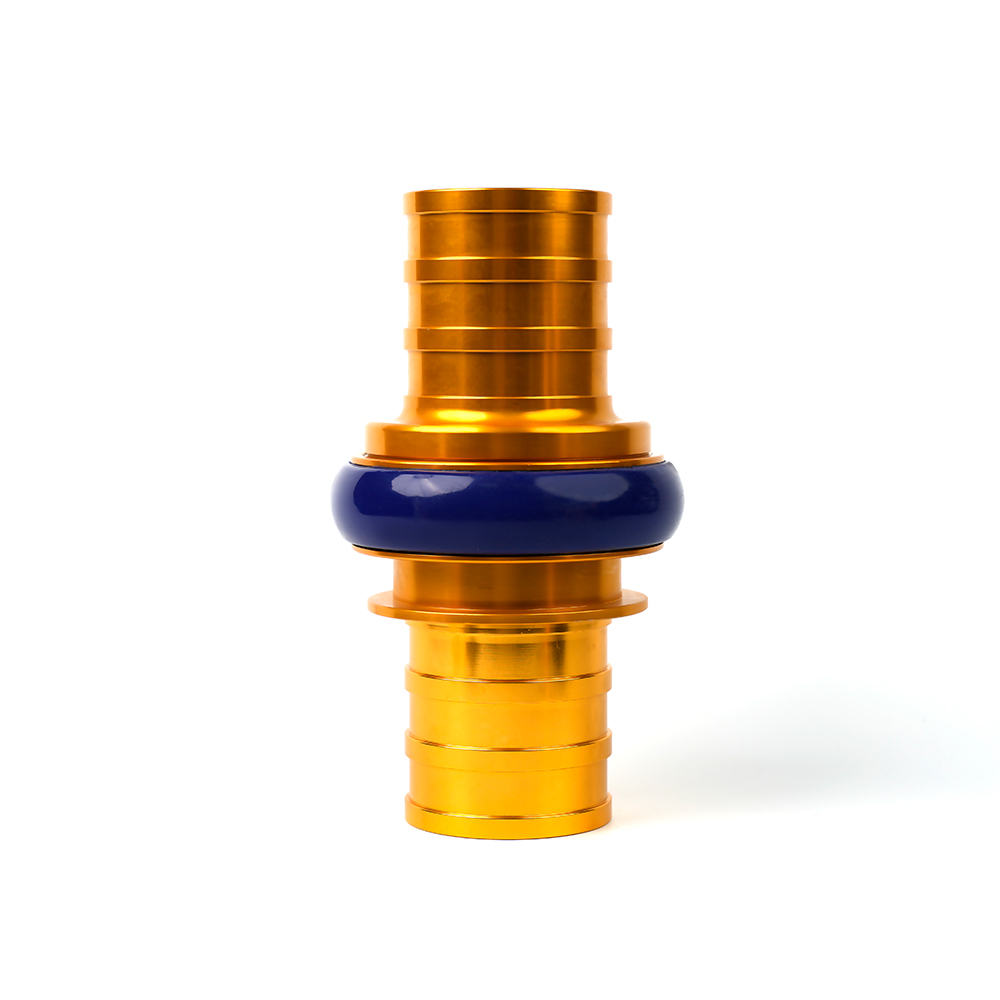
Los acoplamientos Machino sirven como interfaz de conexión universal para prácticamente todos los componentes de un sistema móvil de extinción de incendios. Sus aplicaciones abarcan toda la cadena de suministro de agua, desde la fuente de suministro, pasando por la red de mangueras, hasta el punto de descarga.
El uso más fundamental de los acoplamientos Machino es unir longitudes de mangueras contra incendios individuales de extremo a extremo para extender el alcance desde una fuente de agua hasta el lugar del incendio. Cada sección de manguera, normalmente 20 metros de largo — está equipado con un acoplamiento Machino en cada extremo, uno macho (interior) y otro hembra (exterior), lo que permite unir varias secciones en secuencia. En incendios de estructuras importantes, es común que de cuatro a ocho o más secciones de manguera estén unidas en un solo tramo, lo que requiere que cada acoplamiento funcione de manera confiable bajo presiones sostenidas que pueden alcanzar 1,2 MPa o superior dependiendo del diseño de la bomba y del sistema.
Las salidas de bombas contra incendios en electrodomésticos y bombas portátiles están equipadas con accesorios compatibles con Machino, lo que permite conectar rápidamente las mangueras de succión y descarga durante el despliegue. Cuando un camión de bomberos llega al lugar, el tiempo transcurrido desde que se detiene hasta que el agua fluye a través de la manguera es una métrica de rendimiento crítica. Los acoplamientos Machino permiten la conexión de la manguera de descarga en menos de 10 segundos por acoplamiento , contribuyendo directamente a un inicio más rápido de la supresión. La capacidad del acoplamiento para conectarse con una sola mano permite a los bomberos conectar mangueras mientras manejan otros equipos o dirigen al personal simultáneamente.
En el extremo de descarga de la manguera, los acoplamientos Machino proporcionan la interfaz entre la manguera y la pistola de agua (boquilla o ramal). Las boquillas de ataque, los ramales de espuma y las pistolas de agua de patrones múltiples están disponibles en configuraciones acopladas a Machino. Esta estandarización significa que se pueden cambiar rápidamente diferentes tipos de boquillas en el punto de ataque (por ejemplo, cambiar de una boquilla de orificio recto a un ramal que genera espuma al pasar de un incendio estructural a un incidente con líquido inflamable) sin herramientas y sin interrumpir el suministro de agua durante más de unos pocos segundos.
Las bocas de incendio, los sistemas de tuberías verticales y la infraestructura de extinción fija en edificios e instalaciones industriales suelen estar equipados con salidas compatibles con Machino. Esto permite que las mangueras de los bomberos se conecten directamente al suministro fijo de agua del edificio sin necesidad de adaptadores, lo que reduce la complejidad y el tiempo de conexión durante los primeros minutos críticos de una respuesta. En la lucha contra incendios en edificios de gran altura, donde los bomberos que trabajan en escaleras llenas de humo deben realizar rápidamente las conexiones de las mangueras de los tubos verticales en cada piso, la simple acción de bloqueo del acoplamiento Machino es una ventaja operativa significativa.
La familia de productos de acoplamientos Machino incluye varios tipos de componentes distintos, cada uno de los cuales cumple una función específica dentro del sistema de conexión de equipos y mangueras contra incendios. Comprender estas variantes ayuda a especificar el producto adecuado para una aplicación determinada.
| Tipo de acoplamiento | Descripción | Uso primario |
|---|---|---|
| Acoplamiento para manguera contra incendios Machino: extremo dentado | El extremo trasero tiene un perfil dentado (con púas) para conectar la manguera; asegurado con una abrazadera | Conexión del acoplamiento Machino a una manguera contra incendios de caucho o sintética |
| Acoplamiento para manguera contra incendios Machino — Extremo trasero acanalado | El extremo trasero tiene un perfil acanalado (con estrías lisas); adecuado para determinadas construcciones de mangueras | Conexión del acoplamiento Machino a una manguera contra incendios trenzada o revestida |
| Acoplamiento roscado de tubo macho | Toma Machino en un extremo; rosca de tubo externa en el otro | Conexión de mangueras Machino a salidas roscadas de bombas, puertos de hidrantes o conexiones de tubos verticales |
| Acoplamiento roscado de tubo hembra | Terminal Machino en un extremo; rosca interna del tubo por el otro | Conexión de mangueras Machino a equipos y accesorios con rosca hembra |
| Gorra masculina | Tapa protectora que encaja sobre el extremo del acoplamiento macho (interior) | Proteger la cara del acoplamiento y la junta contra daños y contaminación durante el almacenamiento. |
| Gorra femenina | Tapa protectora que se ajusta sobre el casquillo de acoplamiento hembra (exterior) | Sellado del extremo del casquillo contra residuos, exposición a los rayos UV y daños físicos durante el almacenamiento y el transporte. |
La distinción entre extremos dentados y acanalados se relaciona con la compatibilidad de la construcción de la manguera. Extremos de cola dentados Tienen un perfil de púas o dentado que muerde el revestimiento interior de la manguera cuando se aplica una abrazadera, creando un agarre mecánico de alta seguridad. Por lo general, se usan con mangueras revestidas de caucho con camisa tejida, donde la abrazadera puede comprimir la camisa de la manguera alrededor de las estrías. Extremos de la cola acanalados Tienen un perfil más suave y con estrías regulares, más adecuado para mangueras sintéticas o termoplásticas donde se necesita un sello hermético y uniforme sin el riesgo de que las estrías dañen una pared de manguera más delgada. Seleccionar el perfil de extremo de cola incorrecto para un tipo de manguera determinado puede provocar que el acoplamiento se escape bajo presión, lo que representa un grave peligro para la seguridad en el lugar del incendio.
Si bien los acoplamientos Machino se originan y se utilizan con mayor frecuencia en la lucha contra incendios, su diseño confiable de conexión a presión y su resistencia a la presión los hacen aplicables en varios otros sectores donde la conexión rápida de mangueras es una prioridad operativa.
Los departamentos de bomberos municipales representan la mayor base de usuarios de acoplamientos Machino. Todos los aparatos de bombeo, plataformas aéreas y vehículos de intervención rápida en las regiones con estándar Machino llevan mangueras equipadas con estos acoplamientos, y todas las conexiones de hidrantes, salidas de tuberías verticales y puertos de descarga de bombas contra incendios son dimensionalmente compatibles. La estandarización en toda una flota municipal significa que las mangueras de cualquier vehículo pueden interconectarse con el equipo de cualquier otro vehículo. , lo que permite operaciones flexibles de múltiples unidades en incidentes grandes sin problemas de compatibilidad.
Las plantas petroquímicas, las instalaciones de fabricación, las estaciones de generación de energía y los grandes complejos de almacenamiento mantienen brigadas contra incendios e infraestructura fija de protección contra incendios en el lugar. Los acoplamientos Machino se utilizan para conectar carretes de manguera, boquillas de monitoreo, sistemas de espuma y equipos de supresión portátiles en estos entornos. Los sistemas industriales de protección contra incendios deben poder ofrecer caudales muy altos; en algunas instalaciones, más de 3.000 litros por minuto — que requieren acoplamientos clasificados para un rendimiento continuo de alta presión y alto flujo. El robusto mecanismo de bloqueo del sistema Machino y su trayectoria de flujo de paso total (que minimiza la pérdida de presión a través del acoplamiento) lo hacen muy adecuado para estas aplicaciones exigentes.
Los vehículos de rescate contra incendios (CFR) de aeropuertos y los servicios de bomberos de aeropuertos utilizan acoplamientos Machino por las mismas razones que lo hacen las brigadas municipales: velocidad y confiabilidad. Los incendios de aviones se desarrollan extremadamente rápido debido a la alta densidad de energía del combustible de aviación, lo que hace que los segundos que se ahorran en el despliegue de las mangueras sean realmente críticos para la vida. Los servicios de bomberos de los aeropuertos en las regiones estándar de Machino equipan sus vehículos ARFF (rescate y extinción de incendios aéreos) especializados con sistemas de mangueras de agua y espuma compatibles con Machino.
Las instalaciones portuarias y los buques que operan en regiones estándar de Machino equipan sistemas de mangueras contra incendios con acoplamientos compatibles para que los cuerpos de bomberos en tierra puedan conectarse a los sistemas a bordo (y viceversa) sin accesorios adaptadores. Esta interoperabilidad es esencial en escenarios de incendio en puertos, donde tanto el propio equipo de extinción de incendios del buque como los socorristas en tierra pueden estar atacando un incendio simultáneamente desde diferentes puntos de suministro.
Los carretes de manguera y las salidas verticales húmedas/secas en edificios comerciales, torres residenciales, hoteles, hospitales y centros comerciales suelen estar equipados con conexiones compatibles con Machino en las regiones donde se adopta este estándar. Los ocupantes del edificio y los socorristas pueden utilizar estos sistemas con mangueras estándar equipadas con Machino de aparatos de bomberos o con carretes de manguera almacenados en cada piso. Esta integración entre sistemas móviles y fijos crea una red de protección contra incendios compatible y sin fisuras en todo el entorno construido.
La adopción generalizada de los acoplamientos Machino en la lucha contra incendios e industrias relacionadas está impulsada por un conjunto de características de rendimiento medibles y operativamente significativas que los distinguen de diseños de acoplamientos más antiguos o alternativos.
Los acoplamientos Machino se producen en una variedad de tamaños que corresponden a los diámetros estándar de mangueras contra incendios. Seleccionar el tamaño de acoplamiento correcto para una manguera y aplicación determinadas es fundamental tanto para el rendimiento hidráulico como para la compatibilidad mecánica.
| Tamaño del acoplamiento (DN) | Diámetro nominal de la manguera | Aplicación típica | Material común |
|---|---|---|---|
| DN25 | 25 mm (1 pulgada) | Enrolladores de mangueras para la construcción, líneas de mangueras de primeros auxilios | Aleación de aluminio / Latón |
| DN40 | 40 mm (1,5 pulgadas) | Líneas de mangueras de ataque ligero, conexiones de tubo vertical | Aleación de aluminio / Latón |
| DN65 | 65 mm (2,5 pulgadas) | Líneas principales de mangueras de ataque, descarga de camiones de bomberos, conexiones de hidrantes. | Aleación de aluminio / Latón |
| DN80 | 80 mm (3 pulgadas) | Líneas de suministro de alto flujo, manguera de relé de gran diámetro | aleación de aluminio |
| DN100 | 100 milímetros (4 pulgadas) | Redes de suministro de gran diámetro, sistemas industriales contra incendios, suministro desde el camión cisterna hasta la bomba. | aleación de aluminio |
el El tamaño DN65 es el más utilizado en operaciones de bomberos municipales, ya que equilibra la capacidad de flujo, el peso manejable de la manguera y la compatibilidad con las salidas de bombas estándar de los camiones de bomberos. Los acoplamientos DN100 generalmente se reservan para operaciones de suministro de gran diámetro donde la prioridad es maximizar el suministro de volumen de agua desde un hidrante o camión cisterna a una bomba.
Los acoplamientos Machino requieren inspección regular y mantenimiento básico para garantizar que funcionen de manera confiable cuando sea necesario. Debido a que los equipos contra incendios pueden permanecer sin usarse durante períodos prolongados antes de ser utilizados en una emergencia de alto estrés, el mantenimiento proactivo es esencial.
Los acoplamientos Machino de aleación de aluminio, cuando se mantienen y almacenan adecuadamente, pueden ofrecer una vida útil de 10 años o más bajo uso normal del servicio de bomberos. Los acoplamientos de latón son inherentemente más resistentes a la corrosión y pueden durar más en ambientes húmedos o marinos, aunque son más pesados. Los factores que aceleran el desgaste o daño del acoplamiento incluyen: exposición al agua de mar sin enjuague posterior al uso, impacto físico contra superficies duras durante el entrenamiento o el despliegue y almacenamiento en ambientes con alta exposición a los rayos UV (que degradan las juntas de goma más rápido). La mayoría de las normas de mantenimiento de los servicios contra incendios recomiendan Prueba de presión anual de conjuntos de mangueras. , que también verifica la integridad del acoplamiento en condiciones operativas.
En todo el mundo se utilizan varios sistemas diferentes de acoplamiento de mangueras contra incendios. Comprender cómo se comparan los acoplamientos Machino con diseños alternativos aclara por qué se prefieren en determinadas aplicaciones y regiones.
| Tipo de acoplamiento | Método de conexión | Velocidad de conexión | Herramientas necesarias | Regiones comunes |
|---|---|---|---|---|
| Machino (bayoneta) | Insertar y girar ~45–90° | Muy rápido (menos de 5 segundos) | Ninguno | Asia, Medio Oriente, África |
| Storz (simétrico) | Alinee las orejetas y gire ~180° | Rápido (5 a 10 segundos) | Ninguno | Europa, Australia, América del Norte |
| Rosca BSP/NPT | Atornillar (múltiples vueltas) | Lento (15 a 30 segundos) | A menudo es necesario | Ampliamente utilizado en plomería/sistemas fijos. |
| Pasador (instantáneo) | Alinear las orejetas y girar | Rápido | Ninguno | Reino Unido, países de la Commonwealth |
el Machino coupling's primary competitive advantage over threaded connections is speed; its advantage over the Storz system is the shorter rotation angle required to lock (roughly half that of a Storz), which can be significant when making connections in confined spaces, at awkward angles, or under physical stress. Where a fire service or facility has standardized on Machino couplings, maintaining that standard throughout the equipment inventory maximizes operational interoperability and eliminates the need for adapter fittings that add complexity and potential failure points.
Debido a que los acoplamientos Machino son componentes críticos para la seguridad utilizados en operaciones de emergencia para la protección de vidas, los estándares de calidad y la certificación son requisitos fundamentales en lugar de atributos opcionales. Los acoplamientos utilizados en sistemas de protección contra incendios deben cumplir con estándares dimensionales, de presión y de materiales que garanticen un rendimiento confiable durante toda su vida útil.
En China, los equipos de protección contra incendios, incluidos los acoplamientos para mangueras contra incendios, están sujetos a una supervisión de calidad obligatoria a través del Centro Nacional de Inspección y Supervisión de Calidad de Equipos contra Incendios , que emite informes de inspección que verifican que los productos cumplen con las normas nacionales. Se espera que los fabricantes de equipos de protección contra incendios posean las certificaciones de sistemas de calidad pertinentes: Norma ISO 9001 es el estándar reconocido internacionalmente para sistemas de gestión de calidad, que cubre todo el proceso de producción, desde el diseño y el abastecimiento de materias primas hasta la fabricación, inspección y entrega.
Empresas como Tecnología de protección contra incendios Co., Ltd. de Jiangsu Jinding , fundada en 1998 y ubicada en la Zona de Desarrollo Económico de Jiangsu Xinghua, ejemplifica el tipo de fabricante integrado de protección contra incendios que produce acoplamientos Machino con estos estándares de calidad. Habiendo obtenido la certificación del sistema de calidad ISO 9001:2015 y la certificación voluntaria del producto, y con productos que han recibido informes de inspección del Centro Nacional de Inspección y Supervisión de Calidad de Equipos contra Incendios, dichos fabricantes representan una fuente de suministro confiable para acoplamientos de mangueras contra incendios destinados a su uso en sistemas certificados de protección contra incendios.
Al especificar o adquirir acoplamientos Machino para uso en protección contra incendios, se deben verificar los siguientes indicadores de calidad:
Elegir el acoplamiento Machino correcto implica evaluar varios factores simultáneamente: el tipo y diámetro de la manguera, la interfaz de conexión del equipo, los requisitos de presión de funcionamiento, el medio ambiente y las normas locales aplicables.
Consultar las hojas de datos técnicos del fabricante y, cuando lo requieran los códigos locales contra incendios, asegurarse de que los productos seleccionados lleven las marcas de certificación nacionales aplicables, son pasos finales esenciales antes de la adquisición para uso de protección contra incendios.
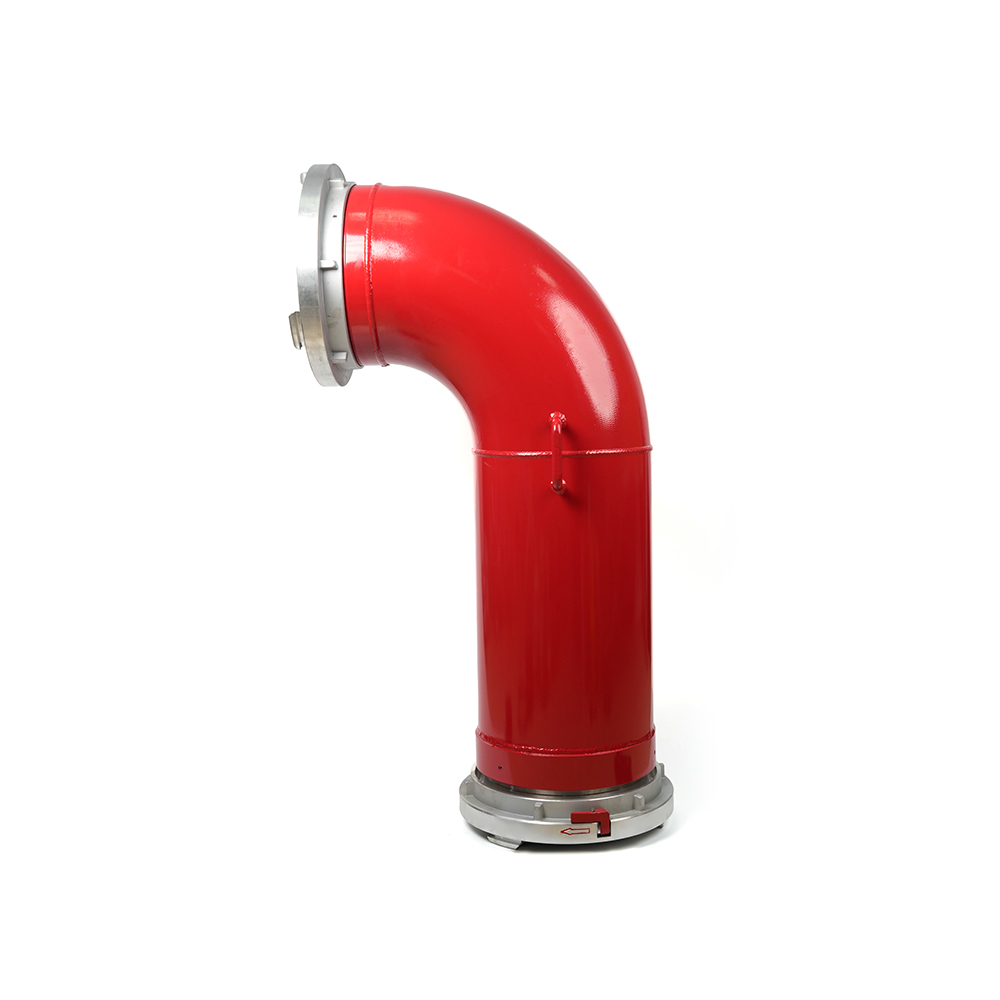 Codo de manguera contra incendios ranurado-Storz
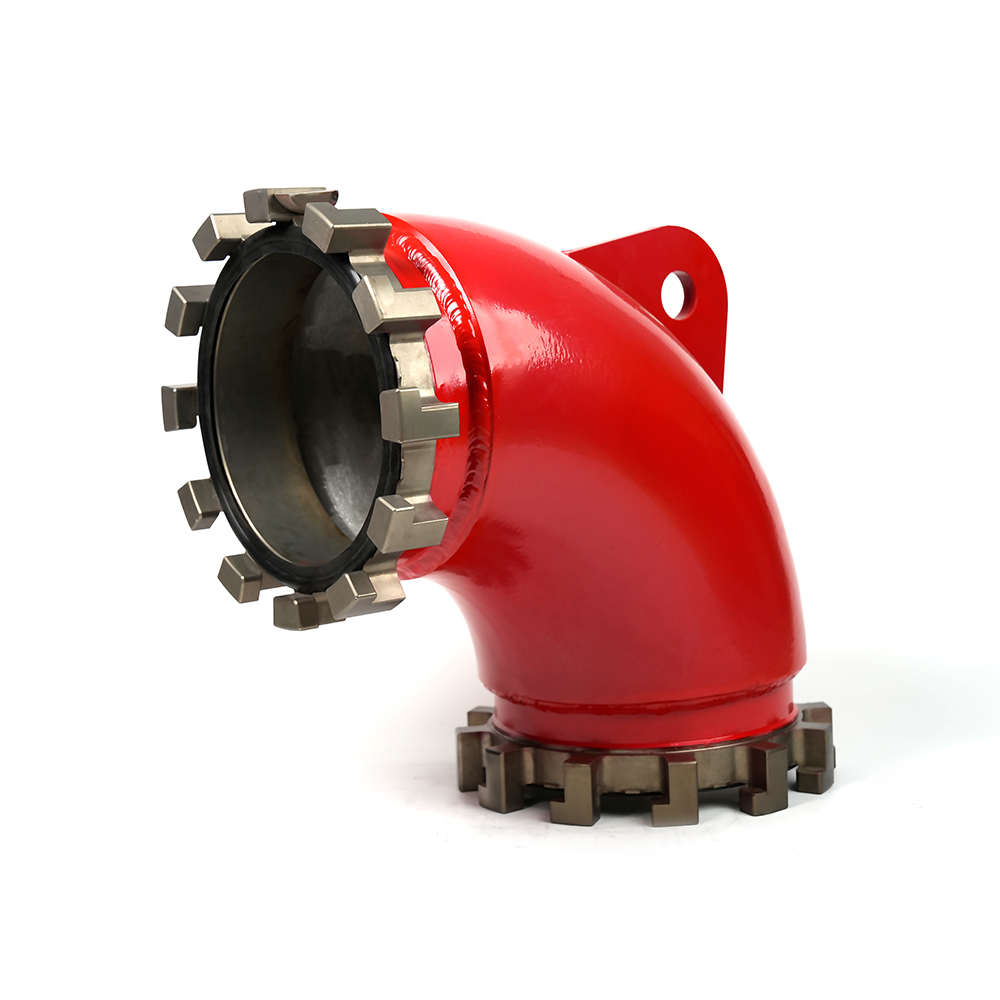 Codo de manguera contra incendios ranurado-multidiente
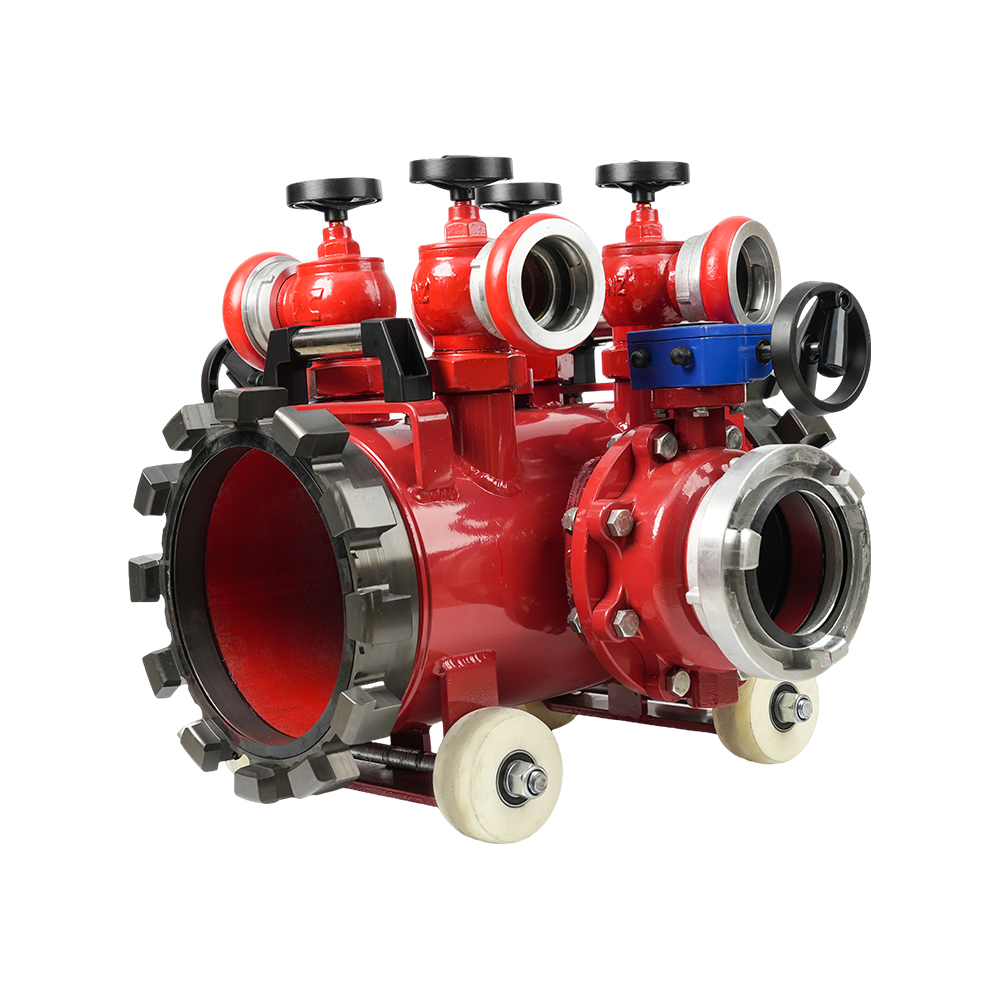 Distribuidor de manguera de incendios multifuncional
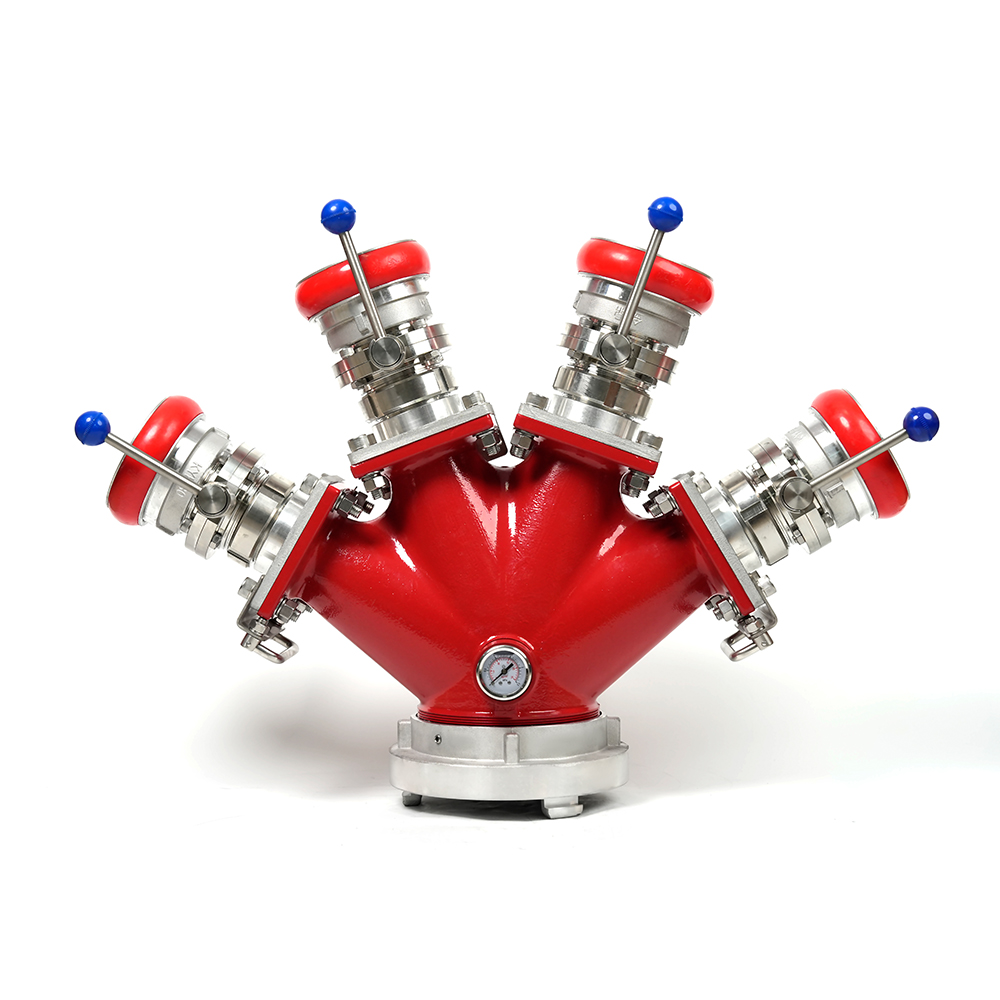 Distribuidor de manguera contra incendios de cuatro vías con bloqueo
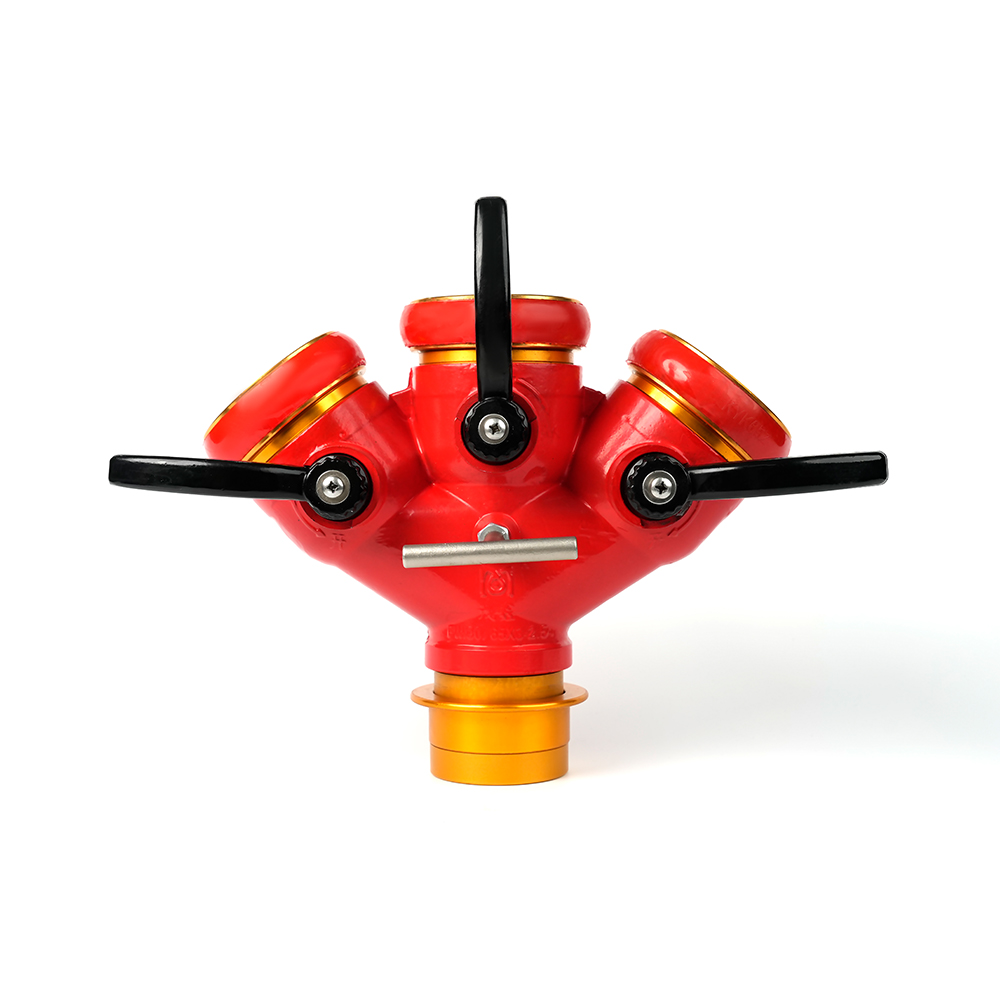 Distribuidor de manguera contra incendios de tres vías con bloqueo
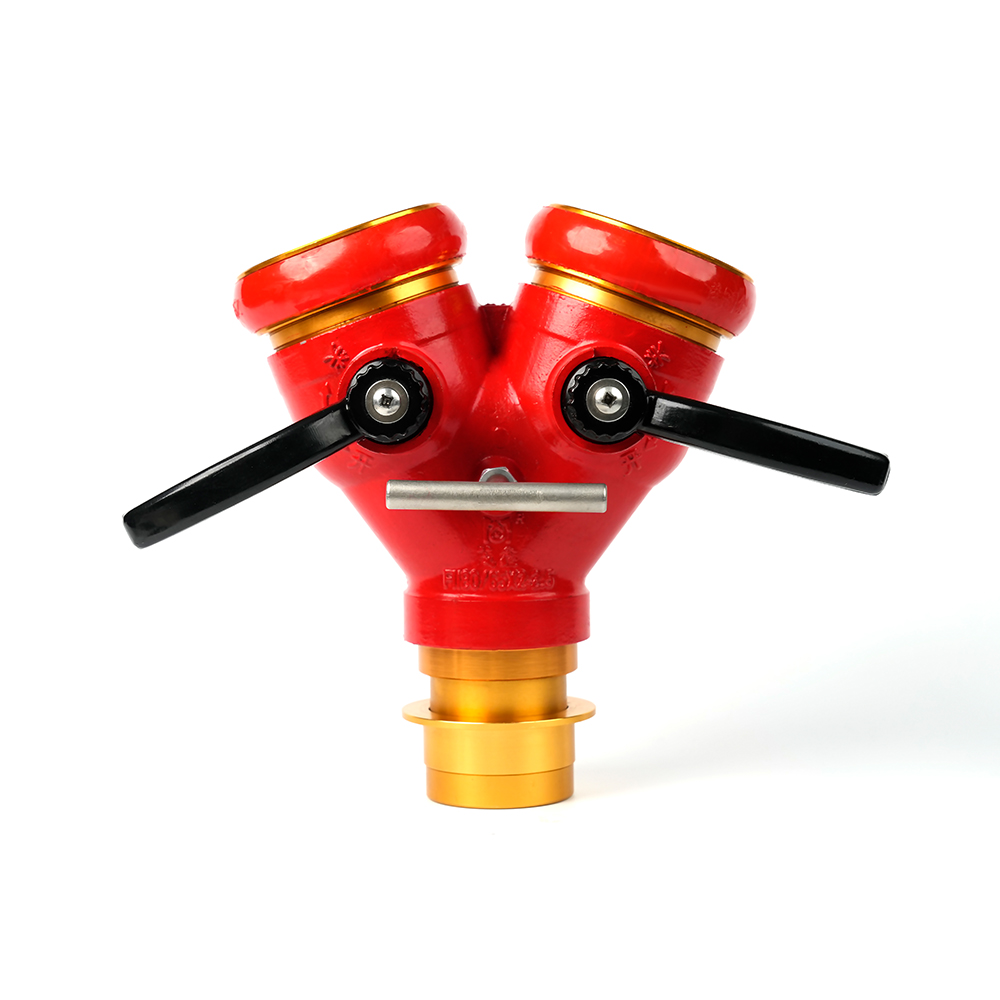 Distribuidor de manguera contra incendios de dos vías con bloqueo
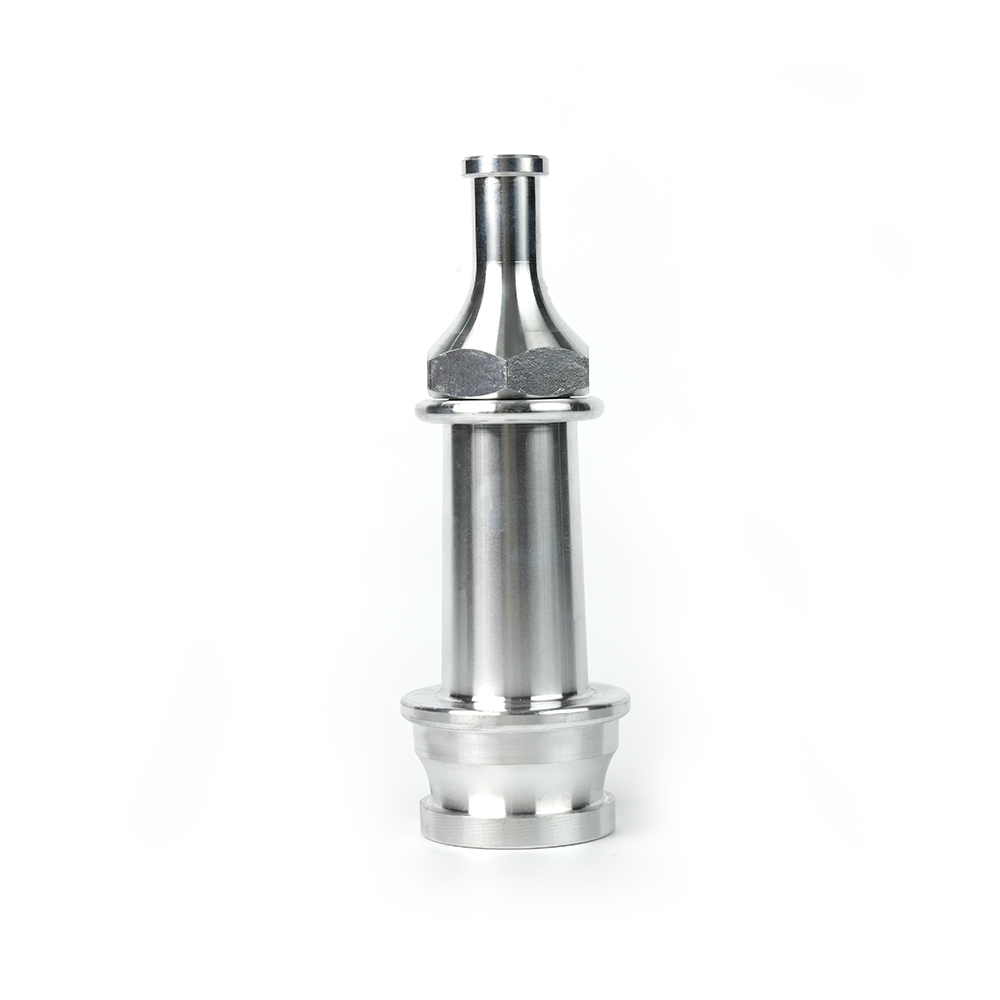 Boquilla de flujo recto
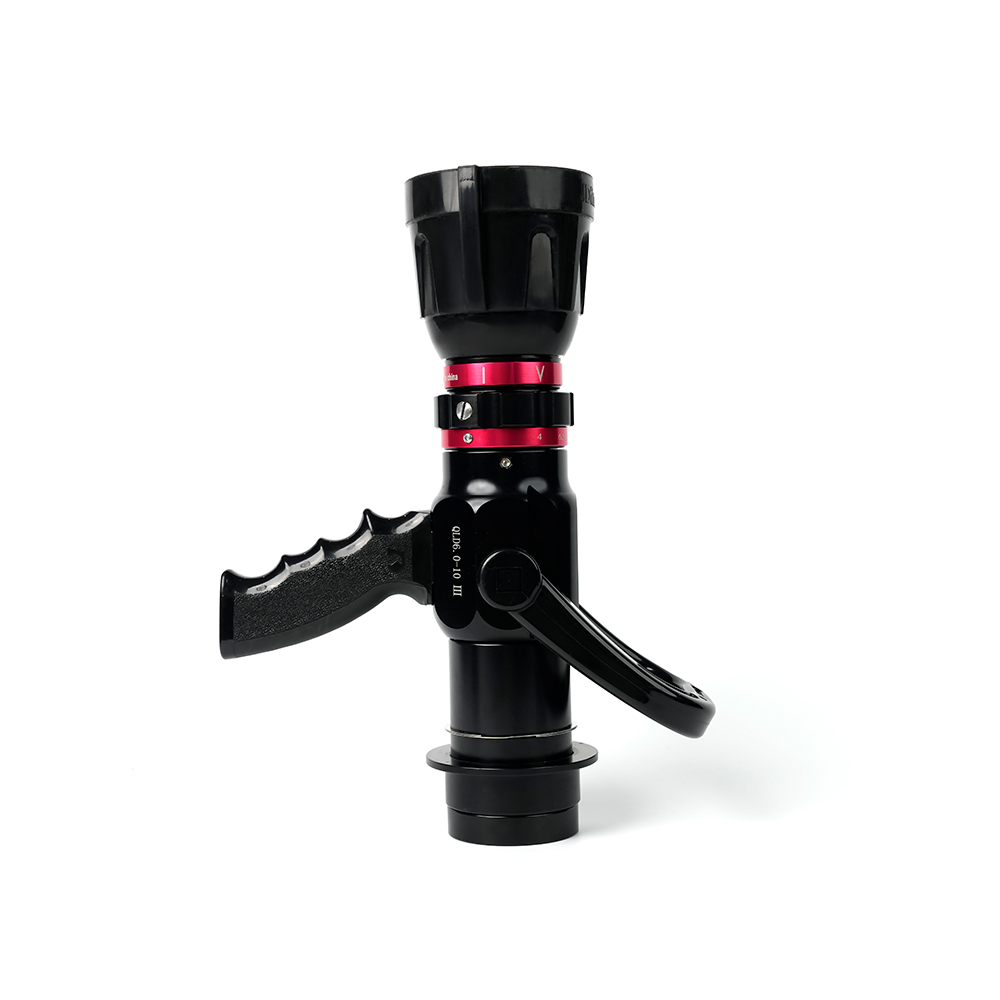 Boquilla ajustable-maquino
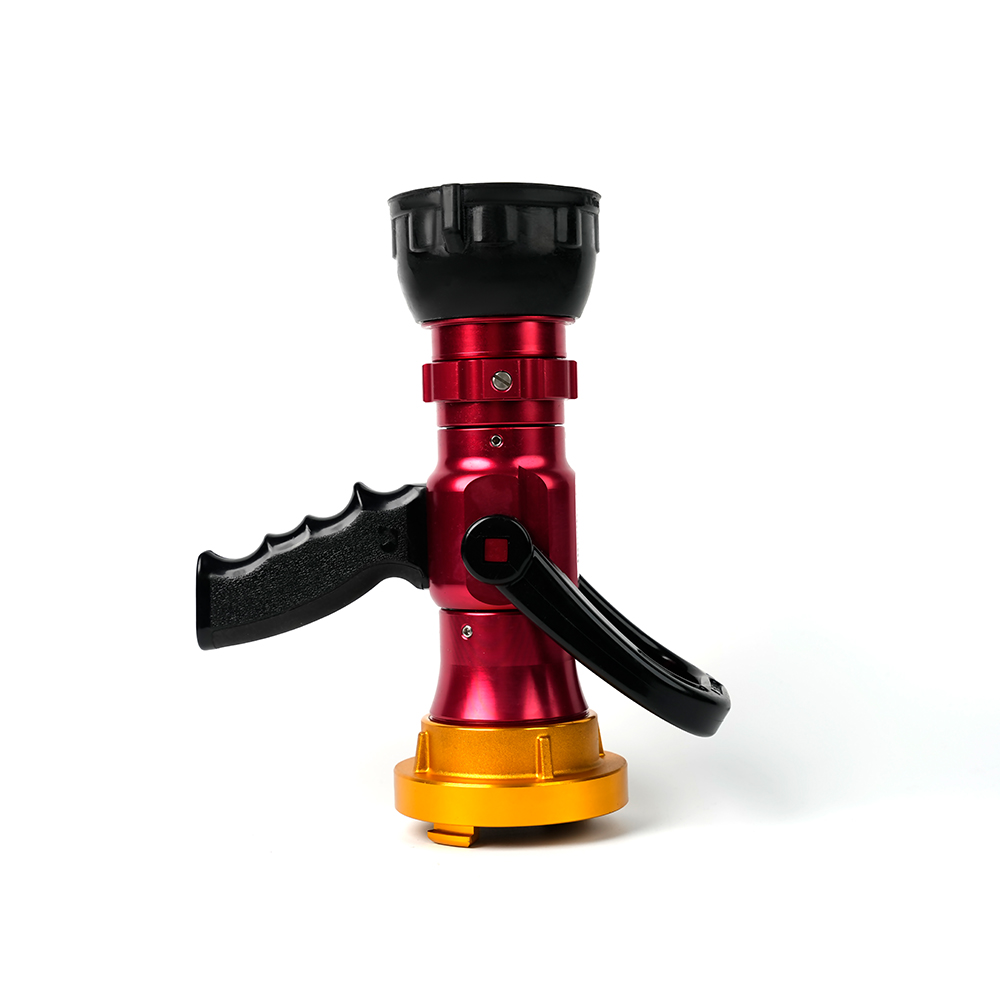 Boquilla ajustable-estorz
 STORZ - Multi -dientes
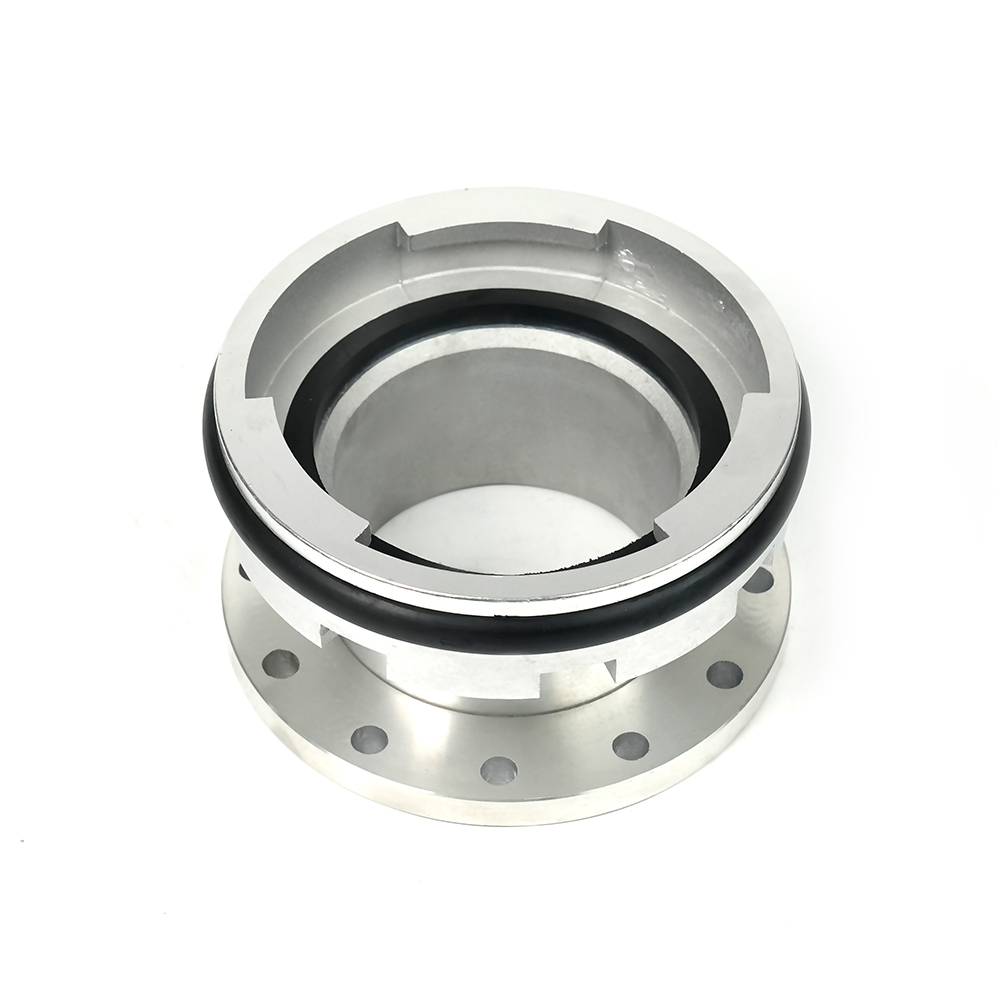 Machino - Bendido
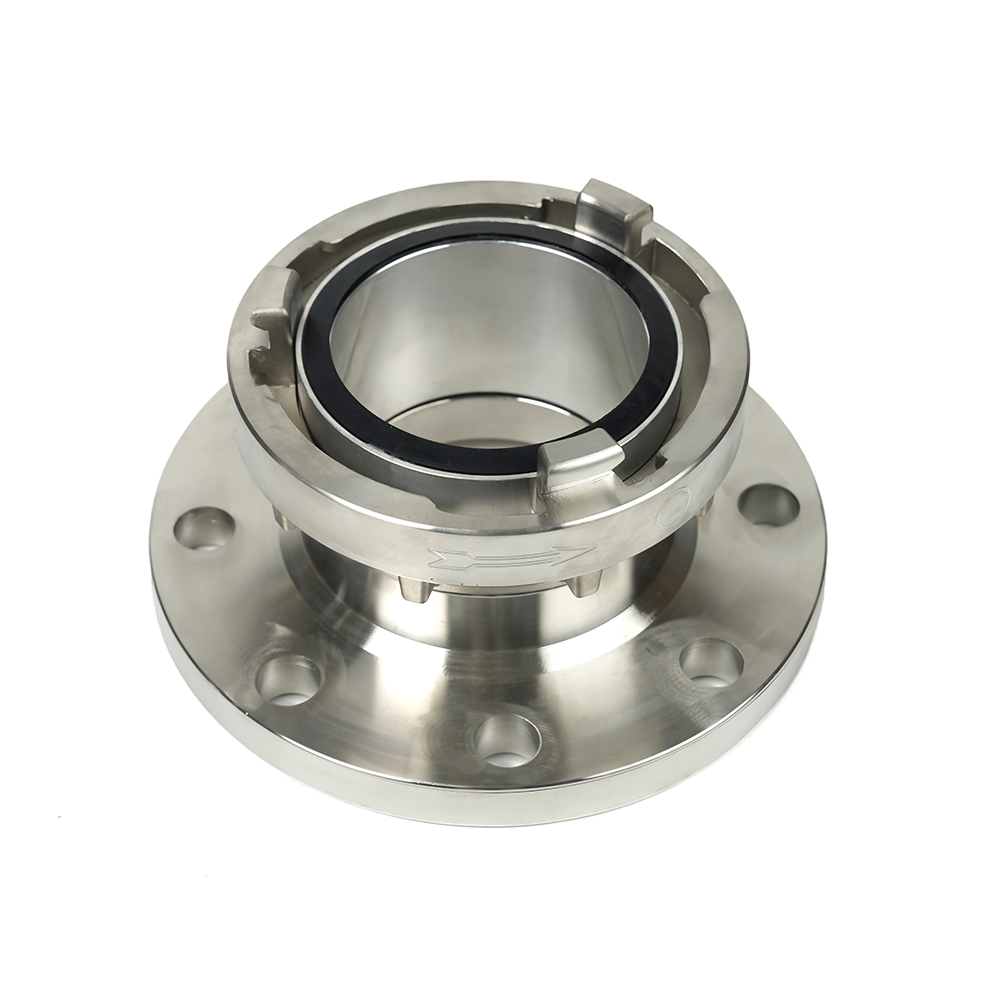 STORZ - BODILLO

 Número de contacto
+86-0523-83274900
+86-151 9064 3365
 Deje que nuestro equipo le ofrezca soluciones aduaneras.
 Dirección de la empresa
Lado oeste de la calle Hongxing Central, calle Lincheng, zona de desarrollo, ciudad de Xinghua, provincia de Jiangsu, China
Derecho de Autor @Jiangsu Jinding Fire Protection Technology Co., Ltd. Todos los Derechos Reservados
