 英语
英语 西班牙语
西班牙语 德语
德语Noticias de la industria
Inicio / Noticias / Noticias de la industria / Boquilla para manguera contra incendios de 1 1/2: caudales, tipos y guía de compra para bomberos


+86-0523-83274900
+86-151 9064 3365
Contenido
Imagínese a un equipo extendiendo una línea de ataque interior hasta formar una estructura. La manguera mide 1 1/2 pulgada y la boquilla en las manos del bombero líder controla todo lo que sucede al final de esa línea. Una boquilla de manguera contra incendios de 1 1/2 es el punto de ajuste final entre la bomba y el fuego: establece el flujo, da forma a la corriente y determina qué tan difícil es sostener la línea. Para el ataque de incendios estructurales y la mayoría de las tareas de protección contra incendios industriales, este tamaño es el caballo de batalla aceptado porque equilibra el suministro de agua con la maniobrabilidad. Este artículo cubre cómo funcionan estas boquillas, cómo leer sus números de flujo y presión, y qué verificar antes de especificar una para una nueva línea de manguera o un pedido de reemplazo.
Los equipos de bomberos no eligen el tamaño de una manguera sólo por costumbre. El diámetro de 1 1/2 pulgada se convirtió en la línea de ataque estándar por una razón práctica: le da a un bombero suficiente agua para controlar la mayoría de los incendios en habitaciones y contenidos, mientras se mantiene lo suficientemente liviano como para moverse rápidamente a través de puertas y pasillos. Una línea de 1 pulgada es fácil de avanzar pero se queda sin flujo cuando el fuego crece. Una línea de 2 1/2 pulgadas mueve mucha agua pero necesita dos o tres miembros de la tripulación para manejarla. La boquilla de manguera contra incendios de 1 1/2 se encuentra en el medio y generalmente fluye entre 95 y 165 GPM, según la presión suministrada y el patrón seleccionado.
Antes de comprar una boquilla para manguera contra incendios de 1 1/2, debe comprender cómo la presión se convierte en flujo. El rendimiento de la boquilla se clasifica a una presión de boquilla establecida, generalmente 50, 75 o 100 psi, y el flujo real cambia cuando esa presión cambia. La siguiente tabla enumera los valores de flujo típicos para una boquilla ajustable de 1 1/2 pulgada a presiones de funcionamiento comunes, junto con los trabajos a los que generalmente se asigna cada rango.
| Presión de la boquilla (psi) | Aprox. Flujo (GPM) | Aplicación típica |
|---|---|---|
| 50 | 95 | Protección contra exposición, ataque ligero al aire libre. |
| 75 | 115 | Ataque interior residencial |
| 100 | 135 | Ataque de incendio estructural estándar |
| 125 | 150 | Protección de plantas industriales |
| 150 | 165 | Operaciones industriales de alta demanda |
El gráfico de barras horizontales de arriba muestra cuánta agua puede suministrar una boquilla ajustable típica de 1 1/2 pulgada a medida que la presión de la boquilla aumenta de 50 a 150 psi. A 50 psi, el flujo es de aproximadamente 95 GPM, lo cual es adecuado para protección contra exposición y ataques ligeros al aire libre. La mayoría de los equipos estructurales operan entre 100 y 125 psi, donde la misma boquilla produce de 135 a 150 GPM. Empujar a 150 psi aumenta la salida a aproximadamente 165 GPM pero también aumenta la fuerza de reacción que el bombero debe controlar. Una línea que parece fácil de manejar a 95 GPM se vuelve notablemente más difícil de sostener a 165 GPM. Es por eso que la presión nominal de la boquilla, no la capacidad máxima de la bomba, debe ser el número decisivo al configurar una línea de ataque.
El gráfico de líneas anterior muestra los mismos datos que una curva de flujo, que es la relación con la que trabaja un operador de bomba en cada llamada. El flujo no aumenta en línea recta; sigue una curva, porque el flujo de la boquilla es proporcional a la raíz cuadrada de la presión de la boquilla. Entre 50 y 100 psi la curva es pronunciada y al agregar 50 psi se obtienen aproximadamente 40 GPM. De 100 a 150 psi, el mismo aumento de 50 psi añade sólo unos 30 GPM, por lo que el retorno de la presión adicional se reduce cerca del tope. Esto es importante en tramos de mangueras largas, donde la pérdida por fricción reduce la presión que finalmente llega a la boquilla. Si ve que la curva de flujo se aplana en su rango operativo, es probable que esté bombeando presión adicional sin agregar mucha agua al fuego.
Dos tipos de boquillas dominan esta clase de tamaño: boquillas ajustables y boquillas de chorro recto. Las boquillas ajustables permiten al operador cambiar entre patrones de niebla y rectos y ajustar el flujo, lo que los convierte en los predeterminados para el ataque estructural y el entrenamiento. Las boquillas de chorro recto no tienen piezas de patrón móviles y entregan una columna de agua sólida con menos turbulencia, lo que produce un alcance más largo y una fuerza de reacción menor para el mismo flujo. Los dos cuadros a continuación los comparan en capacidad y manejo.
El gráfico de columnas anterior compara la capacidad de flujo aproximada de las mangueras contra incendios en tres tamaños de mangueras comunes cuando la presión de la boquilla se establece en 100 psi. Una línea de 1 pulgada fluye alrededor de 75 GPM, que cubre incendios de vehículos, limpieza de áreas silvestres y pequeños trabajos de exposición residencial. Una línea de 1 1/2 pulgada, a aproximadamente 135 GPM, casi duplica esa producción y es la opción más común para el ataque estructural interior. Una línea de 2 1/2 pulgadas puede alcanzar aproximadamente 250 GPM, pero la manguera es mucho más pesada y generalmente necesita dos o tres miembros de la tripulación para avanzar. La columna del medio es donde la mayoría de los departamentos de bomberos pasan su tiempo, porque 135 GPM son suficientes para apagar el incendio de una habitación mientras la línea permanece lo suficientemente ligera como para que una persona se mueva. Cuando elija una boquilla para manguera contra incendios de 1 1/2, recuerde que el diámetro de la manguera, no solo la boquilla, decide cuánta agua puede llegar realmente a la boquilla.
El gráfico de radar anterior compara las boquillas de chorro ajustable y directo según cinco criterios que son importantes en el lugar del incendio. Las boquillas ajustables obtienen una puntuación más alta en versatilidad porque un dispositivo puede producir patrones de niebla, ángulo estrecho y chorro sólido. También ganan en el control del flujo, ya que el operador puede reducir el flujo de agua cuando trabaja cerca de una víctima o en un espacio reducido. Las boquillas de chorro directo obtienen mejores resultados en cuanto a alcance, porque una columna de agua sólida viaja más lejos antes de romperse en gotas. También son líderes en durabilidad, porque no hay dientes que giren, mangas de patrón ni mecanismos de cierre que se atasquen con los desechos. Para muchos equipos industriales, la decisión final depende del medio ambiente: los espacios cerrados favorecen la boquilla ajustable, mientras que los trabajos exteriores a larga distancia favorecen la boquilla de chorro recto.
Jinding Fire Protection fabrica la boquilla ajustable de 1 1/2 pulgada con una gama completa de modos de pulverización, desde una amplia cubierta antiniebla para protección contra la exposición hasta un chorro recto y estrecho para un largo alcance. El control de patrón es fácil de operar incluso con guantes y la rosca de entrada se puede adaptar al estándar de acoplamiento que ya utiliza. Para ver más de cerca cómo se comporta cada modo de pulverización, consulte nuestra guía sobre los modos de pulverización de la boquilla ajustable .
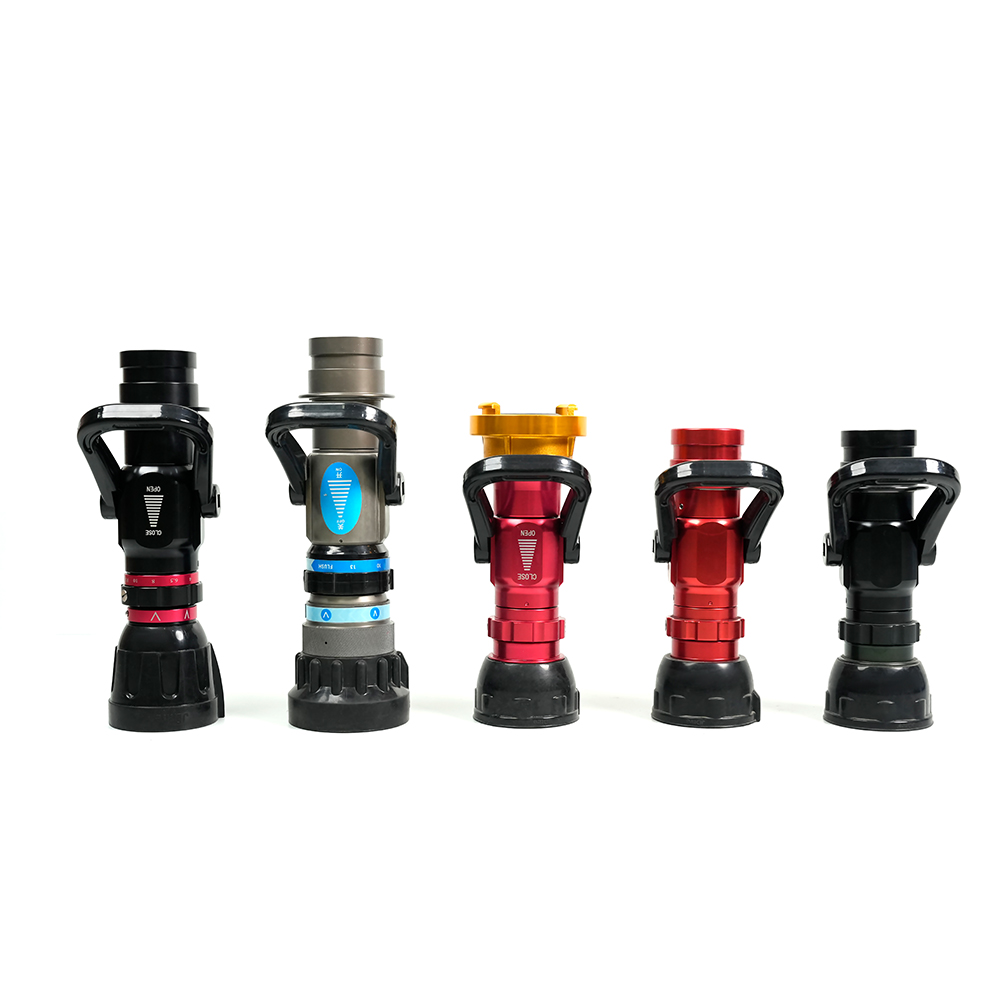 Boquilla contra incendios ajustable Jinding con entrada Storz Esta boquilla ajustable ofrece múltiples patrones de rociado y control de flujo con un acoplamiento Storz, lo que la convierte en una opción flexible para equipos que necesitan niebla amplia y largo alcance desde una sola línea de 1 1/2 pulgadas. Ver producto →
 Las boquillas de chorro recto mantienen el diseño simple: una salida de orificio liso, sin piezas móviles y un trabajo claro. Sin dientes giratorios ni mangas de patrón, hay menos que romper y la corriente sólida se mantiene unida a lo largo de la distancia. Eso los convierte en una buena opción para la protección exterior industrial, parques de tanques y grandes áreas abiertas donde la tripulación necesita el máximo alcance desde una línea de 1 1/2 pulgada.
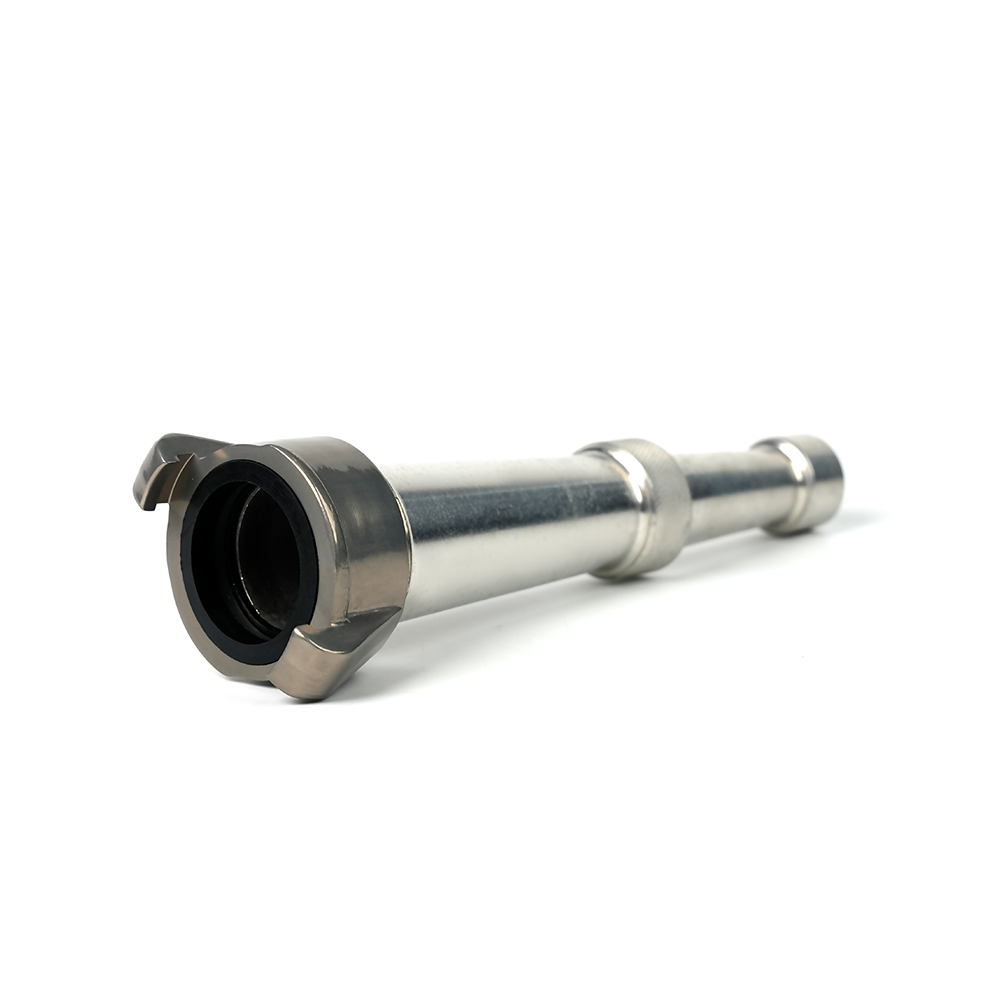 Boquilla contra incendios de chorro recto para extinción de largo alcance Una boquilla de ánima lisa que proporciona un chorro sólido de alto impacto sin piezas móviles, ideal para exteriores industriales y grandes áreas abiertas donde se requiere un alcance máximo desde una línea de 1 1/2 pulgadas. Ver producto →
 Una boquilla de manguera contra incendios de 1 1/2 solo es útil si su entrada coincide con el acoplamiento de su manguera. En América del Norte, el estándar más común es NST, también llamado NH, el hilo estándar nacional que se encuentra en los hidrantes municipales y los paneles de bombas. En toda Europa y en muchos mercados de exportación, los acoplamientos Storz son la norma porque no tienen sexo y se conectan rápidamente sin herramientas. En partes de Asia y América del Sur, las roscas Machino siguen estando ampliamente instaladas en aparatos y mangueras existentes.
Jinding Fire Protection ofrece el mismo cuerpo de boquilla con diferentes opciones de entrada, incluida una versión de entrada Machino para mercados donde ese estándar es común, además de opciones Storz y NST/NH. Si su departamento o planta tiene más de un estándar, los adaptadores pueden cerrar la brecha, pero cada adaptador agrega longitud y peso a la línea. Ordenar la boquilla con el acoplamiento correcto mantiene la línea de ataque simple, razón por la cual la mayoría de los clientes confirman el estándar y el tamaño de la rosca antes de preguntar el precio.
Boquilla contra incendios ajustable Jinding con entrada Machino Esta versión de la boquilla ajustable viene con una entrada de rosca Machino, adecuada para los mercados que utilizan ese estándar de acoplamiento y al mismo tiempo conserva la flexibilidad total del modo de pulverización y el control de flujo para la extinción de incendios. Ver producto → La boquilla adecuada para su operación depende de su manguera, su bomba y los entornos donde se utilizará la línea. Revise esta lista de verificación antes de realizar un pedido:
Una boquilla de manguera contra incendios de 1 1/2 es una herramienta de precisión y falla rápidamente cuando se ignora. Enjuague la boquilla después de cada uso, especialmente después de extraer agua de estanques, ríos u otras fuentes no potables. La arena y la arena arruinan la junta y desgastan el conector giratorio, así que lave el interior y seque las roscas antes de guardarlo. Aplique un rocío ligero de silicona a las roscas y al anillo de control del patrón, y ejercite la válvula de control en todo su rango una vez por semana. Inspeccione el parachoques, la junta y el pivote antes de cada turno y reemplace las piezas desgastadas antes de que causen una fuga. Una boquilla que se limpia diez minutos después de cada llamada servirá durante muchos años, mientras que una que se deja sucia comenzará a atascarse, tener fugas o generar un patrón desigual.
Elegir la boquilla adecuada para manguera contra incendios de 1 1/2 se reduce a tres cosas: conocer la presión y el flujo que su bomba puede entregar, coincidir con el estándar de conexión de su manguera y elegir un tipo de boquilla que se adapte a los entornos en los que trabaja su equipo. Cuando la boquilla es la adecuada, la línea se siente equilibrada, el agua llega a donde se necesita y la capacitación y las operaciones se mantienen constantes.
Jinding Fire Protection fabrica boquillas de chorro recto y ajustables en múltiples estándares de conexión, con control de calidad respaldado por certificaciones de terceros y diseño, moldeado y pruebas internos. Si está planeando una nueva línea de manguera o reemplazando las boquillas existentes, contáctanos con su estándar de rosca y requisitos de flujo, y lo ayudaremos a encontrar la unidad correcta.
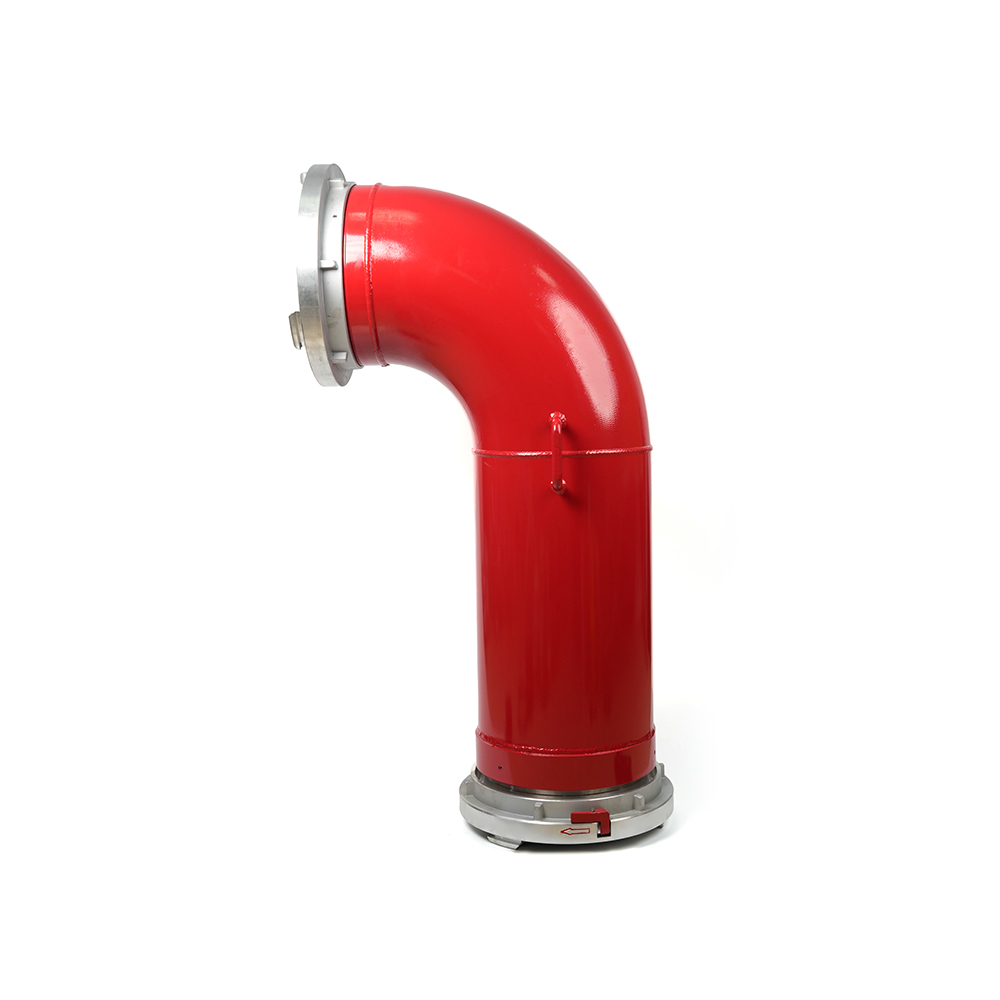 Codo de manguera contra incendios ranurado-Storz
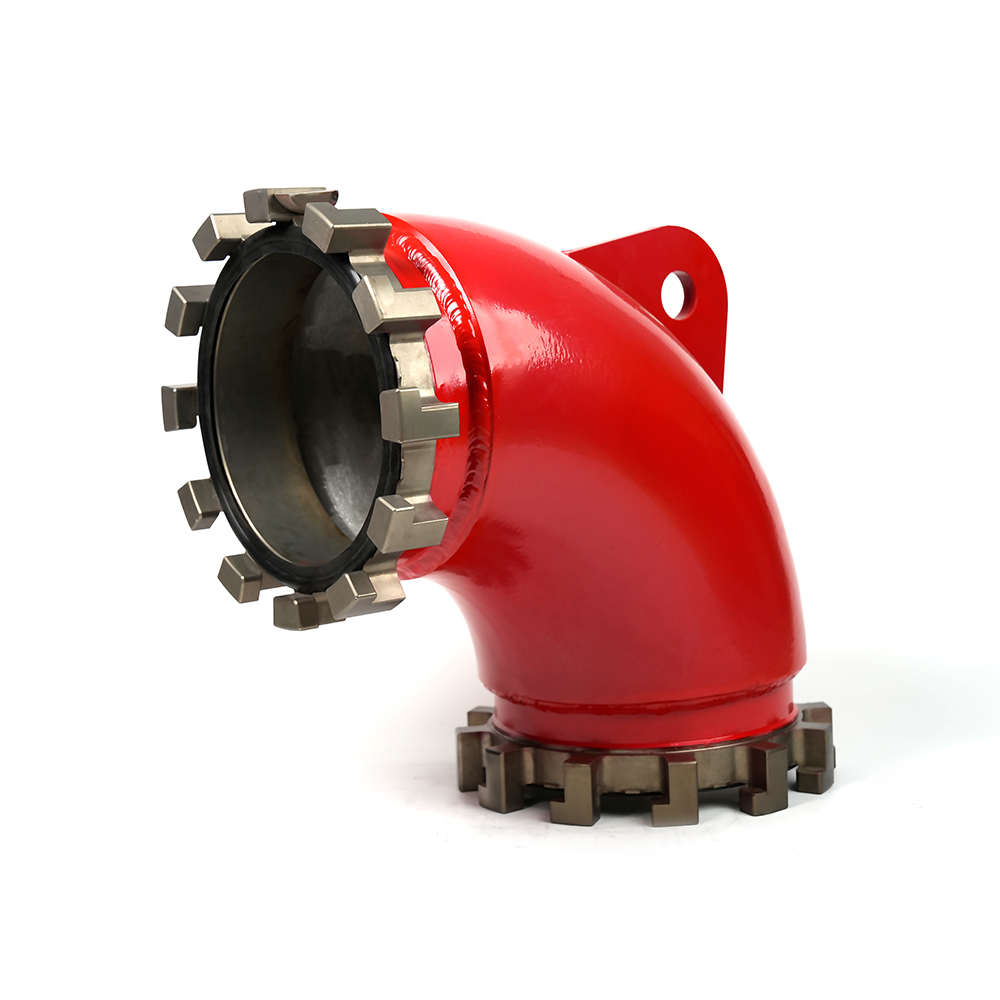 Codo de manguera contra incendios ranurado-multidiente
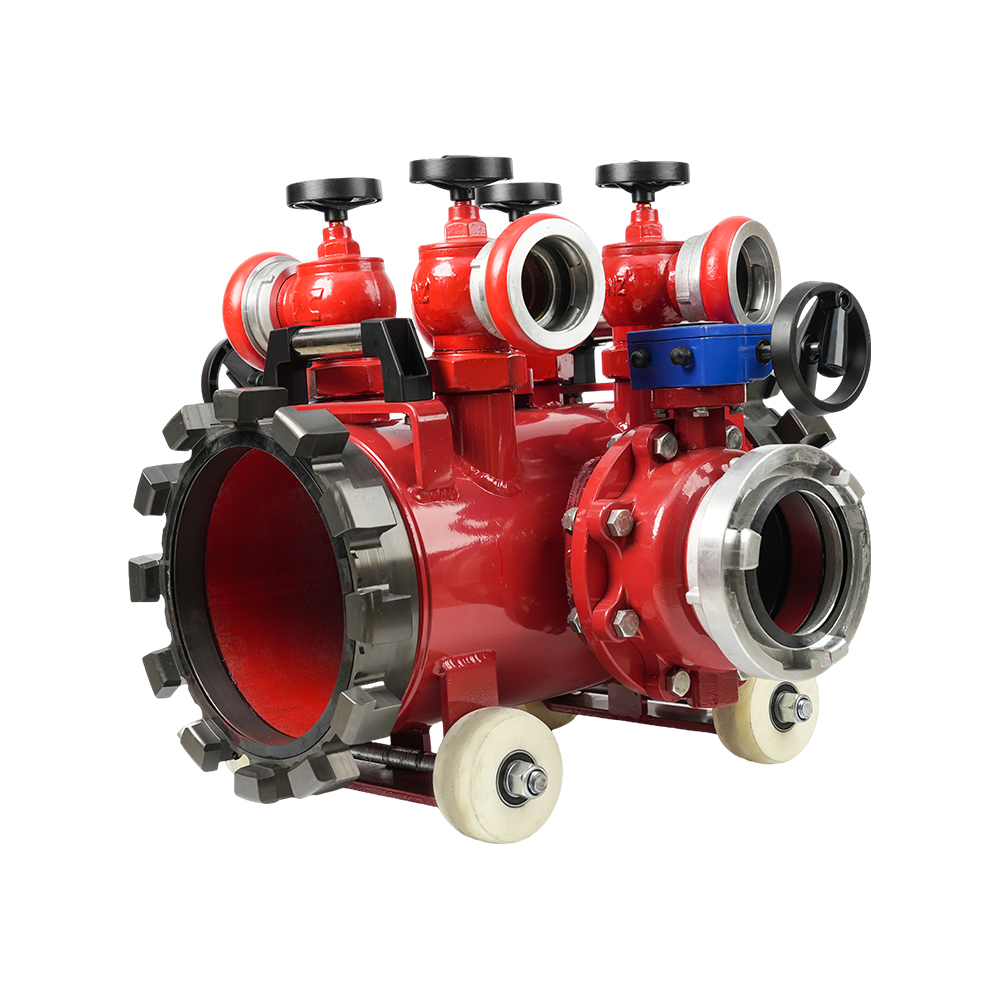 Distribuidor de manguera de incendios multifuncional
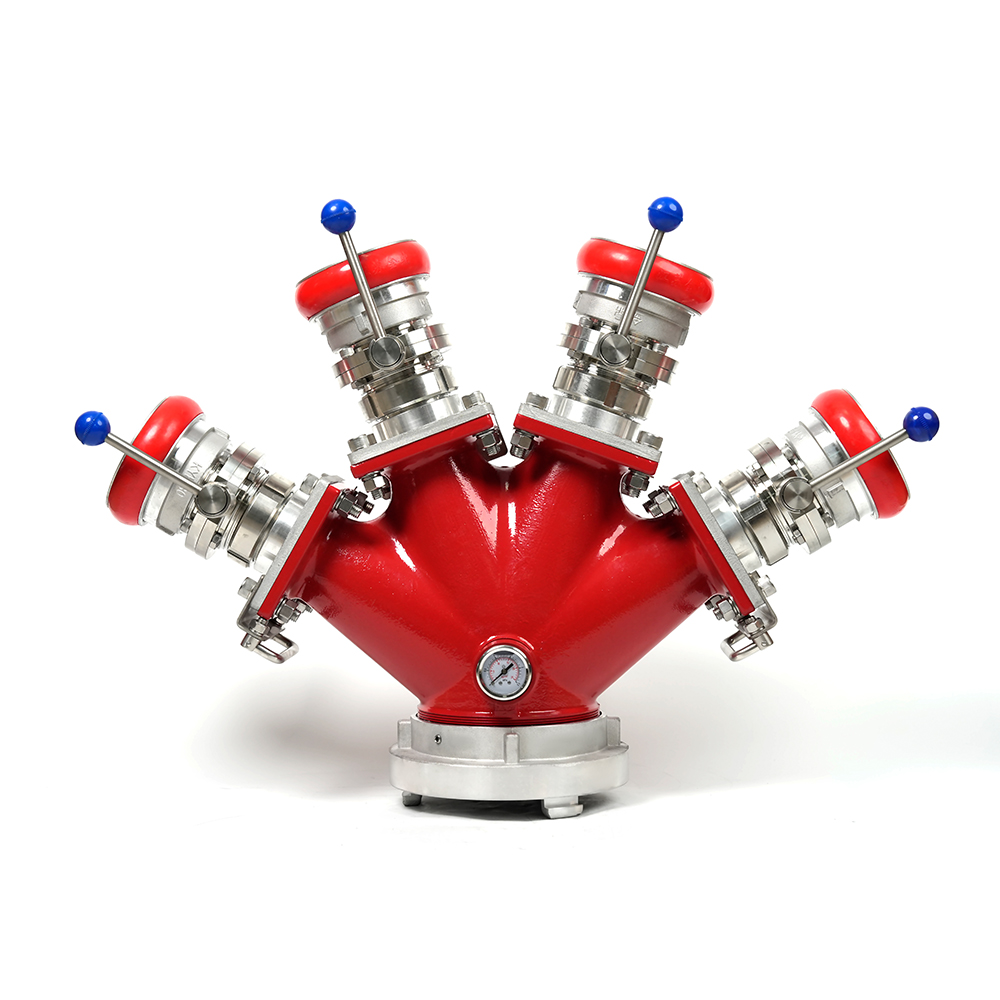 Distribuidor de manguera contra incendios de cuatro vías con bloqueo
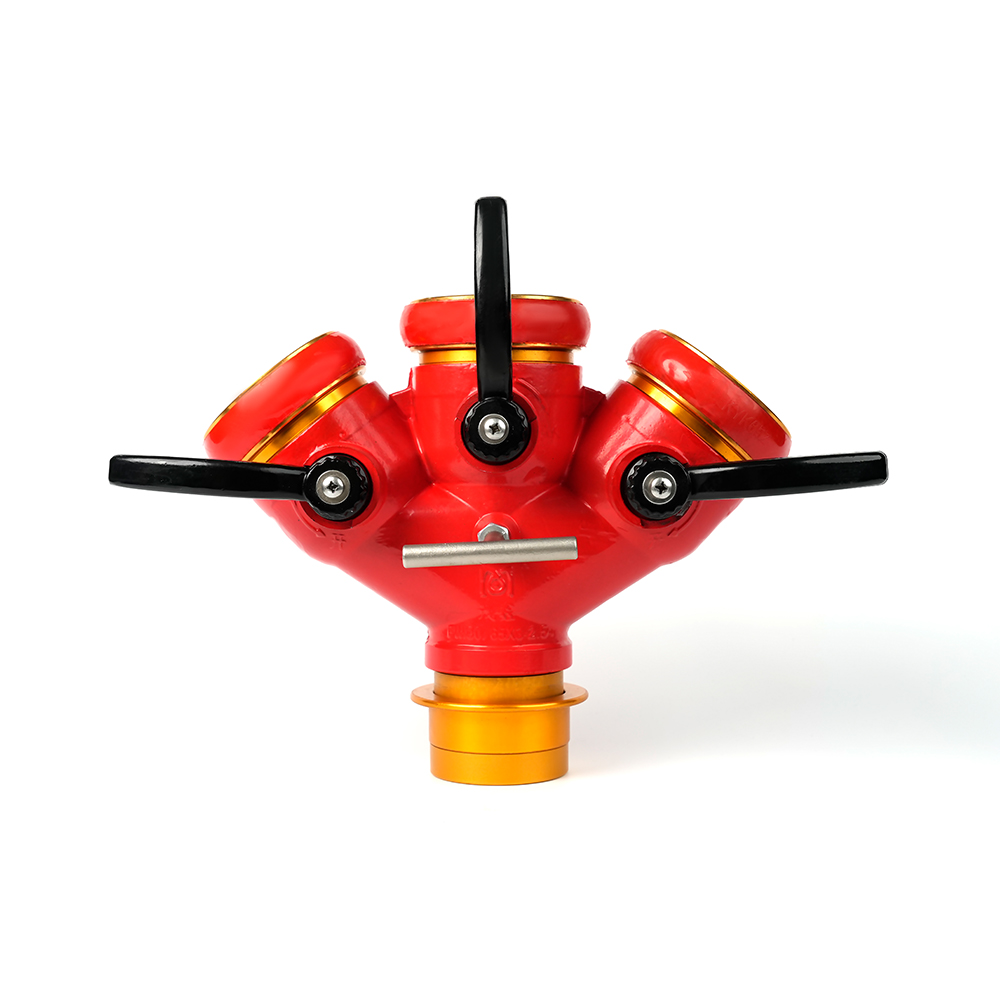 Distribuidor de manguera contra incendios de tres vías con bloqueo
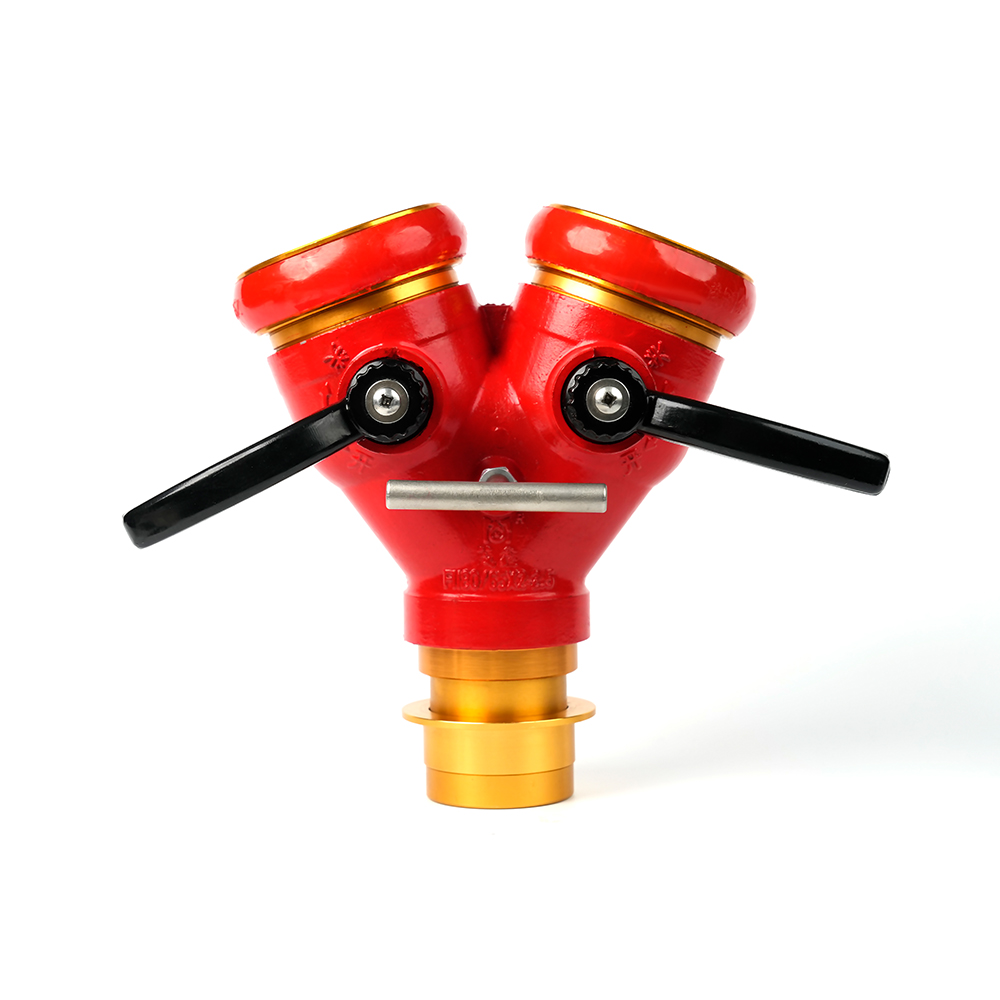 Distribuidor de manguera contra incendios de dos vías con bloqueo
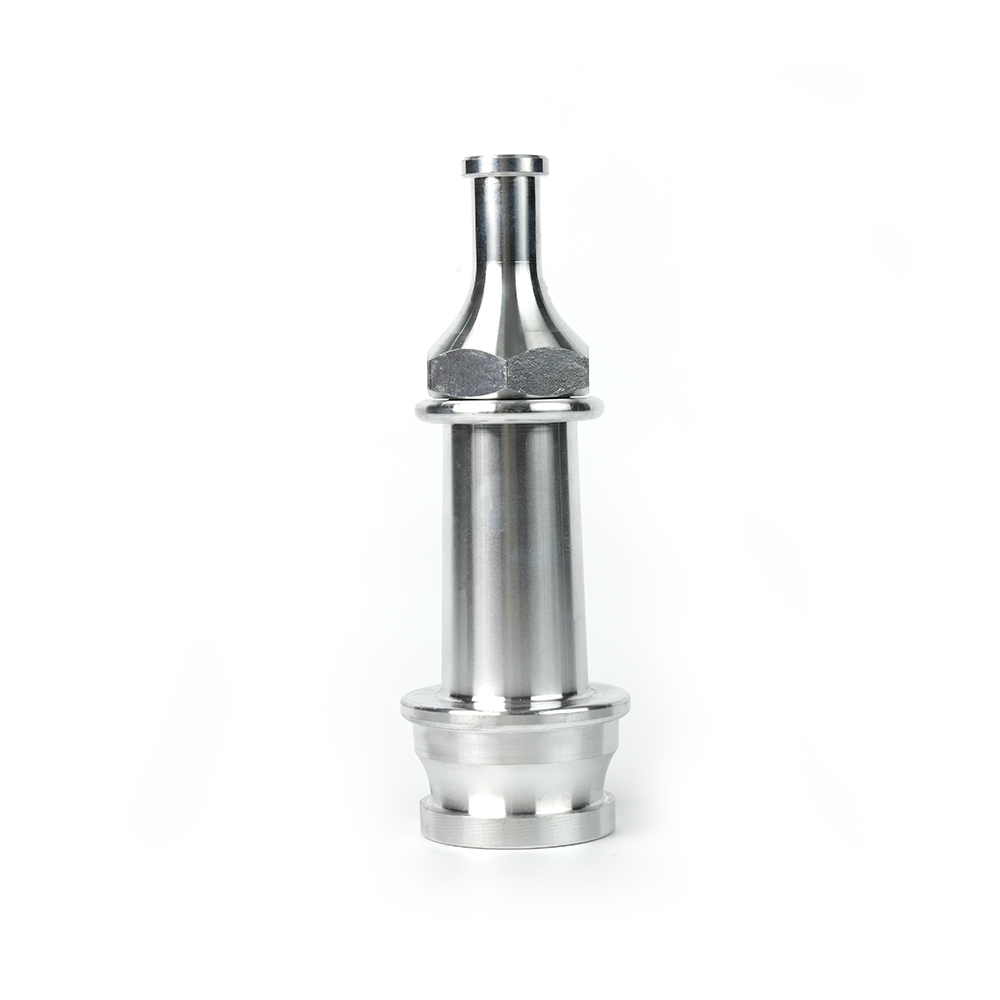 Boquilla de flujo recto
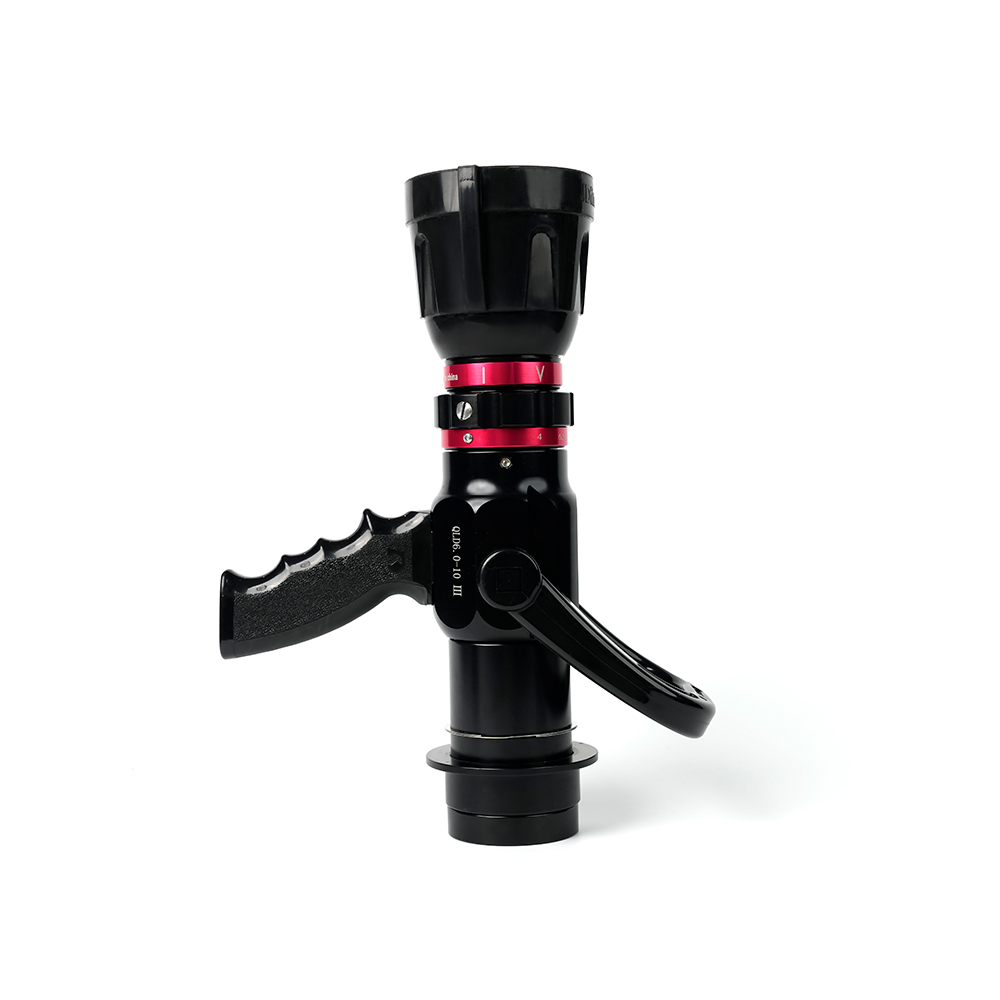 Boquilla ajustable-maquino
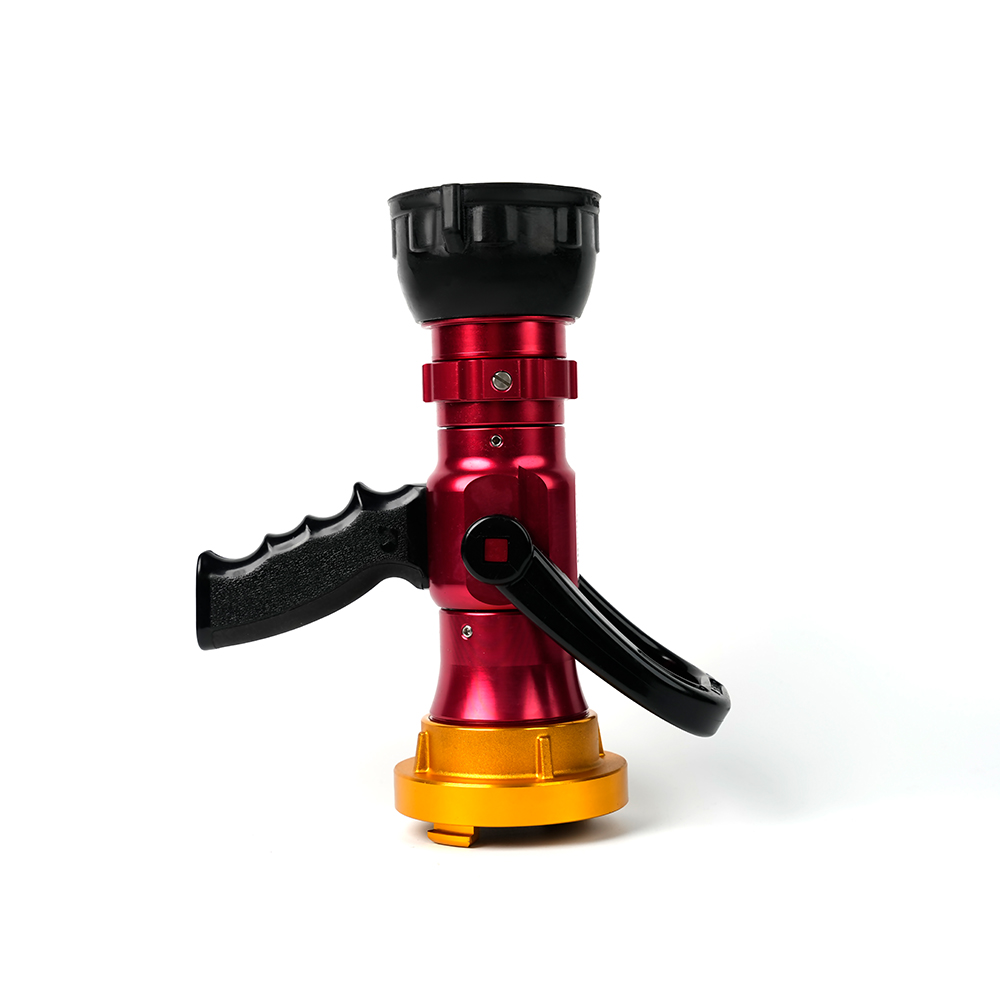 Boquilla ajustable-estorz
 STORZ - Multi -dientes
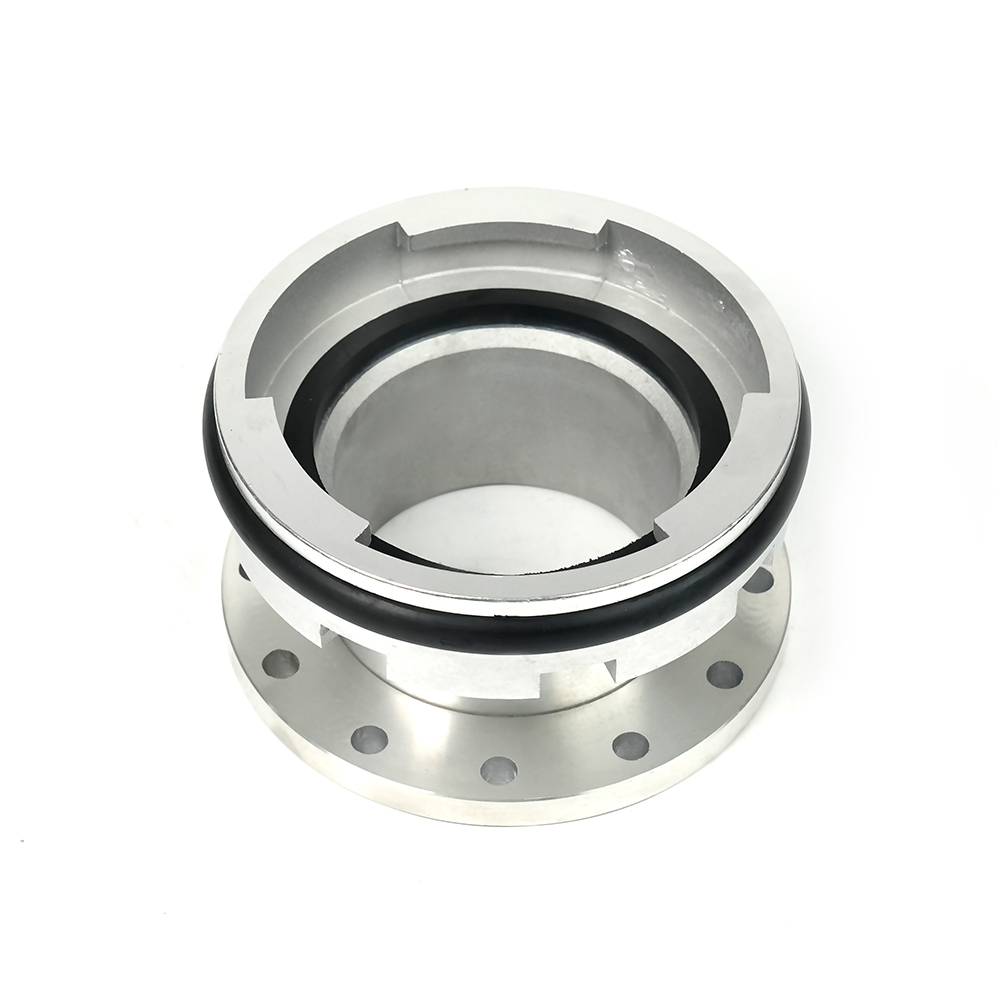 Machino - Bendido
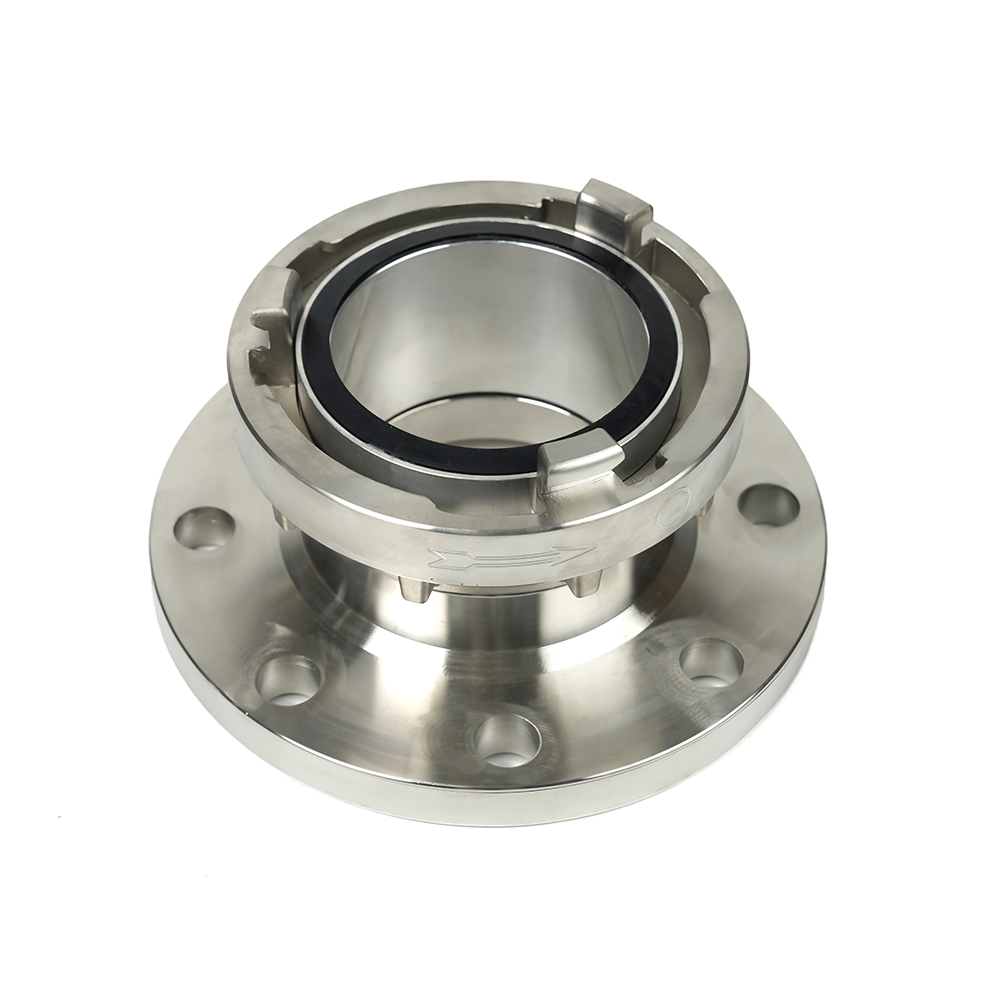 STORZ - BODILLO

 Número de contacto
+86-0523-83274900
+86-151 9064 3365
 Deje que nuestro equipo le ofrezca soluciones aduaneras.
 Dirección de la empresa
Lado oeste de la calle Hongxing Central, calle Lincheng, zona de desarrollo, ciudad de Xinghua, provincia de Jiangsu, China
Derecho de Autor @Jiangsu Jinding Fire Protection Technology Co., Ltd. Todos los Derechos Reservados
