 英语
英语 西班牙语
西班牙语 德语
德语Noticias de la industria
Inicio / Noticias / Noticias de la industria / Adaptador de manguera de 1 pulgada: tamaños, tipos de rosca y cómo elegir el correcto


+86-0523-83274900
+86-151 9064 3365
Contenido
Tiene una salida de bomba con una rosca macho de 1 pulgada, una manguera plana con un paso de rosca diferente y un aspersor que usa una rosca de manguera de jardín estándar. Esa discrepancia es exactamente la razón por la que existen adaptadores de manguera de 1 pulgada. Un adaptador de manguera de 1 pulgada es un accesorio que convierte un estándar, tamaño o perfil de rosca en otro para que pueda conectar una manguera a una fuente, otra manguera o un dispositivo sin reemplazar todo el sistema. La conclusión práctica desde el principio: si necesita un adaptador de manguera de 1 pulgada, primero identifique el tipo de rosca y el paso en ambos extremos, luego haga coincidir el material y la presión nominal con el fluido y el entorno. Conseguir el estándar de rosca correcto evita fugas, irritación de la rosca y riesgos para la seguridad. El resto de este artículo explica cómo tomar esa decisión con confianza.
Un adaptador de manguera de 1 pulgada es un accesorio corto con uno o dos extremos de conexión que acepta una manguera o tubería nominal de 1 pulgada. En la práctica, "1 pulgada" puede referirse al diámetro interior de la manguera, el diámetro exterior de una boquilla roscada o el tamaño nominal de la rosca. Por ejemplo, una manguera de jardín estándar en los Estados Unidos usa una rosca GHT de 3/4 de pulgada, pero una manguera de 1 pulgada generalmente significa una línea más grande que se usa para riego, extinción de incendios o transferencia industrial. Un adaptador sirve de puente entre una rosca hembra de 1 pulgada y una rosca macho de manguera de jardín de 3/4 de pulgada, o entre dos roscas de 1 pulgada con diferentes pasos.
La mayoría de los adaptadores se clasifican en una de tres categorías:
Los estándares de rosca más comunes que encontrará son GHT (rosca para manguera de jardín, diámetro exterior de 1 1/16 de pulgada, 11,5 hilos por pulgada), TNP (rosca para tubería nacional, cónica), BSP (rosca para tubería estándar británica, ángulo de flanco de 55 grados) y NPTF (versión para combustible). Cada uno tiene un paso y un mecanismo de sellado diferentes, por lo que no son intercambiables sin un adaptador.
| Estándar | Forma de hilo | Uso común | Notas de ajuste |
|---|---|---|---|
| GHT | Recto, 11,5 TPI | Mangueras de jardín, riego de consumo. | Sellos con arandela de goma. |
| NPT | Cónico, 11,5 TPI | industriales, fontanería, líneas contra incendios. | Sellos por acuñamiento de hilo. |
| BSP | Recto o cónico, 11 TPI | Europa, Asia, Sudamérica | ángulo de flanco de 55 grados |
Si se trata de una manguera de jardín estándar, es casi seguro que GHT sea lo que necesita. Para circuitos de aire comprimido, hidráulicos o de protección contra incendios, el NPT es más común. BSP aparece con frecuencia en bombas y equipos de riego importados. Cuando la etiqueta del accesorio no lo diga, mida los hilos con un calibre de hilo para evitar adivinar.
Antes de comprar un adaptador de manguera de 1 pulgada, verifique estas cuatro variables: estándar de rosca, material, presión nominal y rango de temperatura. El estándar del hilo debe coincidir en ambos lados. El material determina la resistencia a la corrosión, el peso y el costo. La clasificación de presión debe exceder su presión máxima de trabajo y la clasificación de temperatura debe adaptarse al fluido. Si conecta un adaptador de plástico a una línea contra incendios de alta presión, el accesorio puede romperse instantáneamente.
El latón, el acero inoxidable, el aluminio y los plásticos de ingeniería son los materiales más comunes para los adaptadores de manguera. El latón ofrece un buen equilibrio entre resistencia y costo, pero puede descincificarse en agua agresiva. El acero inoxidable soporta alta presión y productos químicos agresivos, pero cuesta más. El aluminio es ligero y barato, pero se corroe rápidamente en ambientes salados o ácidos. El nailon y el polipropileno son baratos, livianos y libres de corrosión, pero tienen límites de presión más bajos.
Presión de trabajo máxima típica por material para un adaptador de manguera de 1 pulgada (datos ilustrativos).
Los accesorios de latón comúnmente soportan presiones de hasta 300 psi, mientras que los de acero inoxidable pueden superar los 500 psi en el mismo tamaño. El aluminio suele tener una presión de alrededor de 250 psi, y los adaptadores de nailon o polipropileno suelen tener una capacidad nominal de entre 100 y 150 psi. Estas cifras se basan en productos comerciales típicos, no en un solo fabricante. El gráfico de barras anterior muestra estas diferencias relativas. Si trabaja con una bomba de camión de bomberos o una línea industrial de alta presión, elija acero inoxidable o latón forjado; para un sistema de riego de jardín, basta con un adaptador de plástico.
La temperatura es otro límite. La mayoría de los accesorios de PVC y nailon se ablandan por encima de los 71 °C (160 °F). El latón y el acero inoxidable resisten bien el vapor y el agua caliente, pero es posible que los sellos de goma dentro del adaptador no lo hagan. Siempre verifique la clasificación de temperatura continua, no solo el valor máximo. En caso de duda, elija un adaptador de metal con un amplio rango de temperatura porque también resistirá mejor el abuso mecánico.
Comienza respondiendo tres preguntas: ¿Qué hilo hay en cada lado? ¿Cuál es la presión máxima? ¿Qué tan permanente es la conexión? Para conexiones permanentes, utilice un adaptador metálico de rosca a rosca con sellador de tuberías. Para conexiones temporales, utilice un tipo de conexión rápida. Para conexiones que experimentan vibración, utilice un adaptador con mecanismo de bloqueo.
El siguiente gráfico de barras muestra con qué frecuencia diferentes aplicaciones requieren un adaptador de manguera de 1 pulgada. Estas cifras son indicativas y se basan en los comentarios de la industria y los datos de búsqueda de productos.
Demanda relativa de adaptadores de manguera de 1 pulgada por aplicación (datos ilustrativos).
La jardinería y el cuidado del césped generan la mayor demanda porque la mayoría de las roscas de mangueras residenciales son de 3/4 de pulgada de GHT, mientras que muchas bombas y carretes usan conexiones de 1 pulgada. La agricultura le sigue de cerca, especialmente en el caso de las mangueras de riego planas que deben conectarse a aspersores o válvulas. Las aplicaciones industriales dependen de adaptadores de 1 pulgada para líneas de agua, productos químicos y aire comprimido; La barra inferior para extinción de incendios refleja el hecho de que la mayoría de las mangueras contra incendios utilizan diámetros más grandes, pero todavía aparecen adaptadores de 1 pulgada en líneas de ataque pequeñas y accesorios de prueba de bombas. El uso marino es relativamente pequeño pero requiere una excelente resistencia a la corrosión. En todos los casos, comprenda si está realizando una conversión única o una conexión diaria. Una conexión rápida ahorra tiempo pero puede reducir la presión de rotura, mientras que un adaptador roscado es más confiable bajo vibración.
Para conexiones agrícolas, el adaptador debe tolerar fertilizantes y exposición a los rayos UV sin romperse. La gama de acoplamientos agrícolas de Jinding Fire Protection incluye estilos con púas y roscados que combinan con mangueras planas y válvulas de rociadores, y los materiales se seleccionan para brindar durabilidad en el campo.
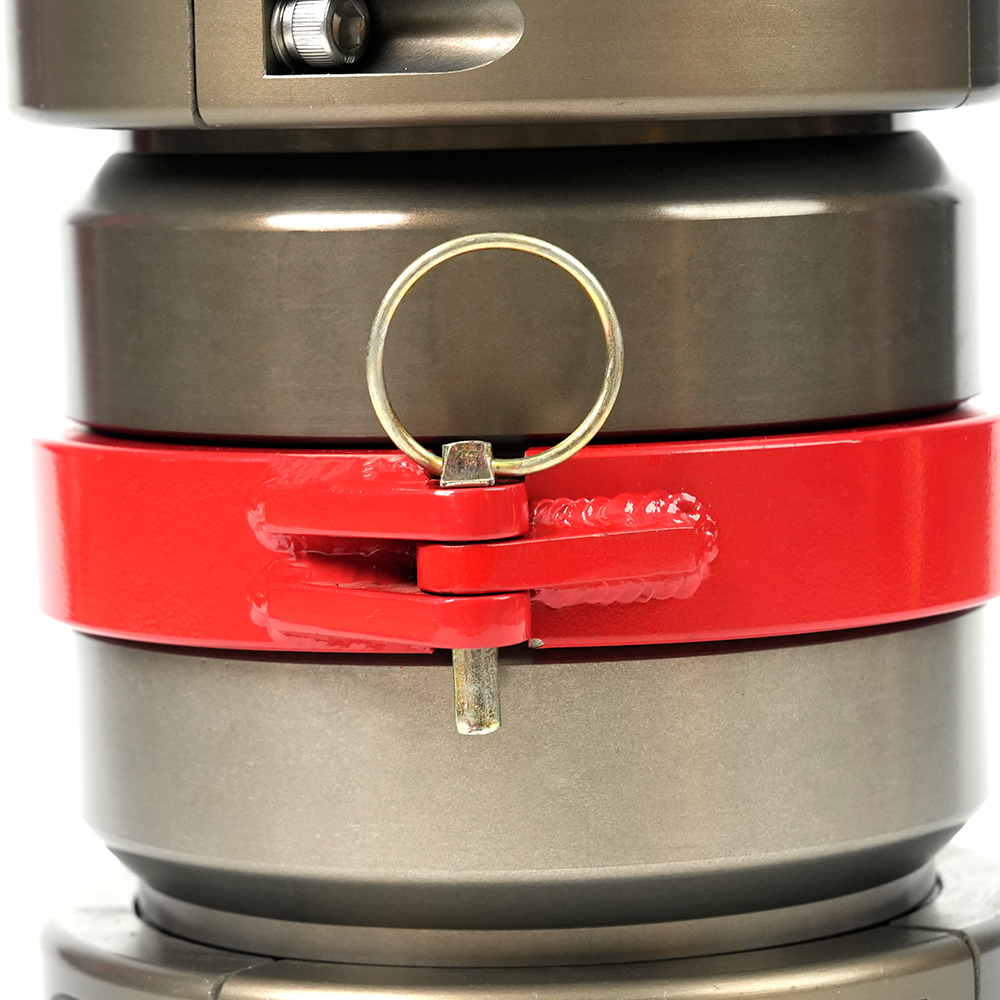 Acoplamiento de conexión rápida de cuatro orejetas con anillo de pasador y bloqueo Este acoplamiento de alta presión se adapta a líneas industriales y agrícolas que necesitan conexiones rápidas y sin herramientas. Su diseño resistente a la corrosión y sus materiales personalizables lo convierten en una opción práctica para aplicaciones químicas y de campo exigentes. Ver producto →
 Para uso en el jardín, la solución más común es un simple adaptador GHT de 1 pulgada a 3/4 de pulgada. Le permite conectar una manguera de suministro de 1 pulgada a aspersores, boquillas y carretes estándar. La línea de acoplamiento para jardín está construida con materiales resistentes a la corrosión para riego residencial.
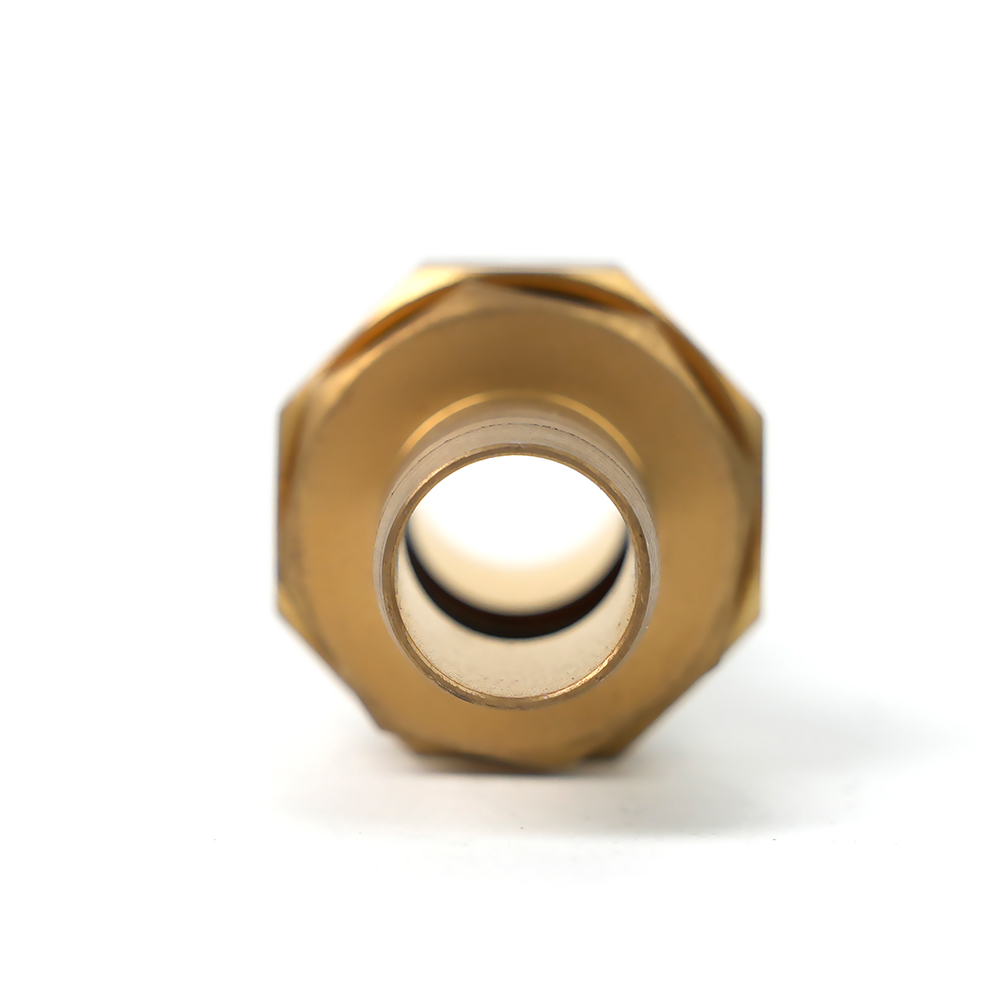 Acoplamiento de jardín roscado con tubo de escape dentado Diseñado para sistemas de rociadores fijos, este acoplamiento soporta una presión de agua de 0,8 a 1,0 MPa. Sus roscas internas/externas y su cola dentada garantizan una conexión de manguera segura y duradera para instalaciones de riego residencial. Ver producto →
 Cuando necesite una conexión rápida y sin herramientas en una línea de 1 pulgada, busque adaptadores de conexión rápida que utilicen un manguito de bloqueo de acero inoxidable y juntas de EPDM. Son ideales para configuraciones estacionales en las que te conectas y desconectas regularmente. Para instalaciones permanentes, un adaptador roscado de latón o acero inoxidable con cinta de PTFE proporciona el sello más fuerte y duradero.
La mayoría de las fugas se deben a una coincidencia incorrecta de roscas o a un sellado insuficiente. Para roscas NPT, aplique dos o tres vueltas de cinta de PTFE en la dirección de la rosca. Para roscas GHT, generalmente se incorpora una arandela de goma en el lado hembra; No utilice cinta de PTFE en roscas GHT porque una arandela crea el sello. Si utiliza un adaptador NPT de metal a metal, agregue unas gotas de sellador de tuberías en las roscas macho para evitar la irritación.
El siguiente gráfico de líneas muestra cómo cambia la probabilidad de fugas con el par de apriete. Un ajuste insuficiente deja lagunas; apretar demasiado puede agrietar o deformar el accesorio.
Relación entre el par de apriete y la probabilidad de fuga para un adaptador de latón de 1 pulgada (curva ilustrativa).
A medida que el par aumenta de 0 a aproximadamente 20 N·m, la probabilidad de fugas disminuye rápidamente porque las roscas se comprimen y las superficies de sellado se cierran. Entre 20 y 30 N·m, la curva se aplana: ésta es la zona ideal de actuación. Más allá de 30 N·m, la probabilidad de fuga vuelve a aumentar porque el material comienza a ceder y las crestas de la rosca pueden aplanarse. Para los adaptadores de plástico, la ventana de torsión segura es mucho más estrecha. Utilice siempre una llave calibrada cuando trabaje con roscas cónicas de metal a metal. Los valores exactos dependen del estándar de la rosca y del material, así que realice una prueba de presión después de cada instalación.
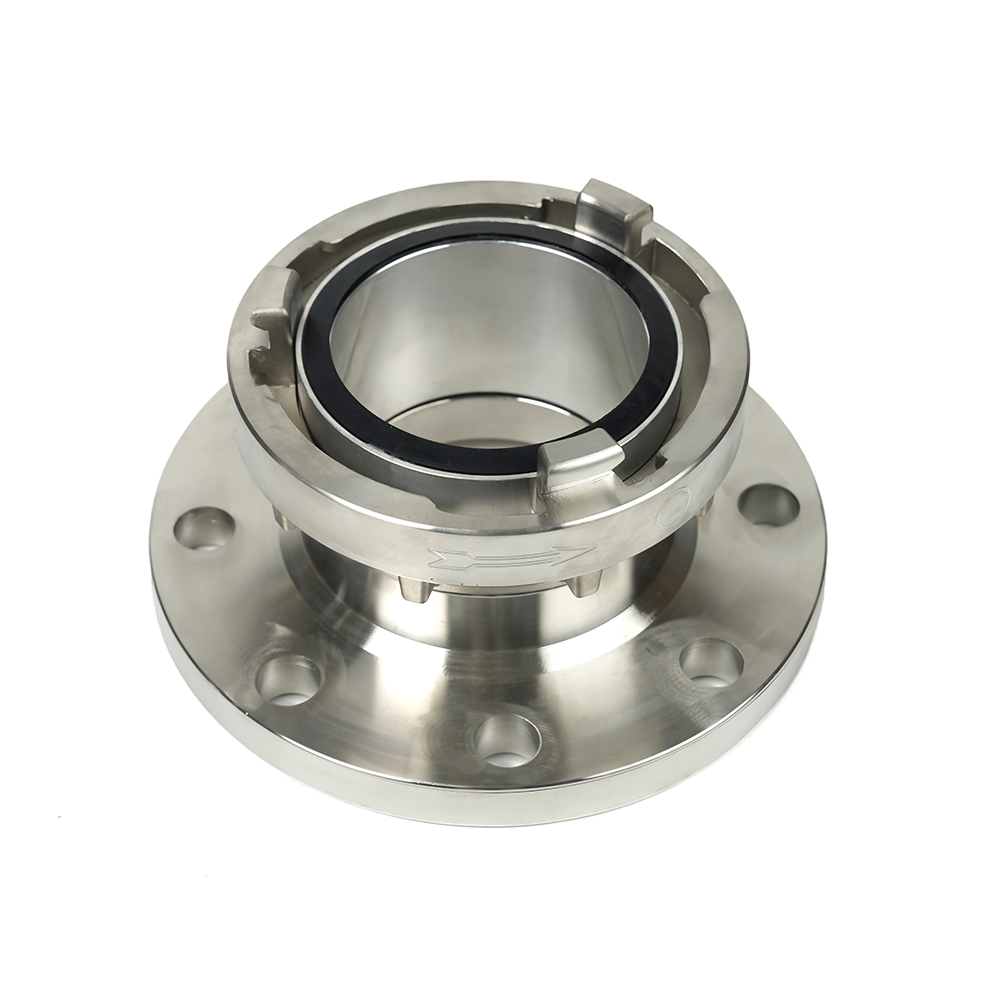
Los sistemas de extinción de incendios en muchos países utilizan acoplamientos Storz, Machino o NH. Un adaptador de manguera de 1 pulgada para estos sistemas debe cumplir con estrictos estándares de presión e impacto. Las aplicaciones de agricultura y jardinería suelen utilizar roscas GHT o BSP y requieren resistencia a la corrosión de los fertilizantes y el suelo. Las líneas industriales pueden requerir materiales de grado FDA o certificaciones específicas.
El siguiente cuadro de radar compara cuatro materiales de adaptadores populares en cinco dimensiones prácticas para un adaptador de manguera de 1 pulgada. Las calificaciones van de 1 (baja) a 5 (alta) según las especificaciones típicas del proveedor.
Gráfico de radar de rendimiento del material para adaptadores de manguera de 1 pulgada (puntuaciones ilustrativas).
El acero inoxidable obtiene una puntuación de 5 en resistencia a la corrosión y capacidad de presión, pero sólo 2 en coste y peso. El latón obtiene una puntuación de 4 en durabilidad y 3 en peso, con una buena relación calidad-precio. El aluminio obtiene un puntaje de 3 en costo, pero solo 2 en resistencia a la corrosión, lo que lo convierte en una mala elección para uso en exteriores. El nailon obtiene una puntuación de 4 en coste y peso, pero sólo 2 en capacidad de presión y 3 en resistencia a los rayos UV a largo plazo. La compensación es clara: hacer coincidir el material con el entorno operativo, no sólo el precio.
Para aplicaciones de protección contra incendios donde la resistencia al impacto y los índices de presión son críticos, el latón o el acero inoxidable son las opciones seguras. Para una conexión de manguera temporal en un sitio de construcción, el aluminio puede ser aceptable si acepta una vida útil más corta. Cuando el adaptador esté instalado en un lugar que pueda congelarse, utilice un material con buena resistencia al impacto e inspecciónelo periódicamente para detectar grietas. Un adaptador de manguera de 1 pulgada es una pieza pequeña, pero una falla aquí puede apagar una línea de bomba o causar daños peligrosos por agua.
Mida el diámetro interior de la manguera y el paso de rosca. Identifique el estándar de rosca tanto en la manguera como en el dispositivo. Confirme la clasificación de presión del adaptador y compárela con la presión operativa máxima de su sistema. Seleccione un material que se adapte al fluido, la temperatura y las condiciones exteriores. Decida si necesita un accesorio permanente, temporal o de conexión rápida. Para estándares inusuales o tamaños personalizados, comuníquese con el fabricante con sus especificaciones exactas de rosca.
Si necesita un adaptador de manguera confiable de 1 pulgada para uso industrial, agrícola o contra incendios, el equipo técnico de ventas puede ayudarle a encontrar el acoplamiento correcto. También puedes navegar por el catálogo completo de adaptadores para ver la gama de estándares disponibles. Obtener el tipo de hilo y el material correctos en el primer intento ahorra tiempo, dinero y una posible emergencia por humedad.
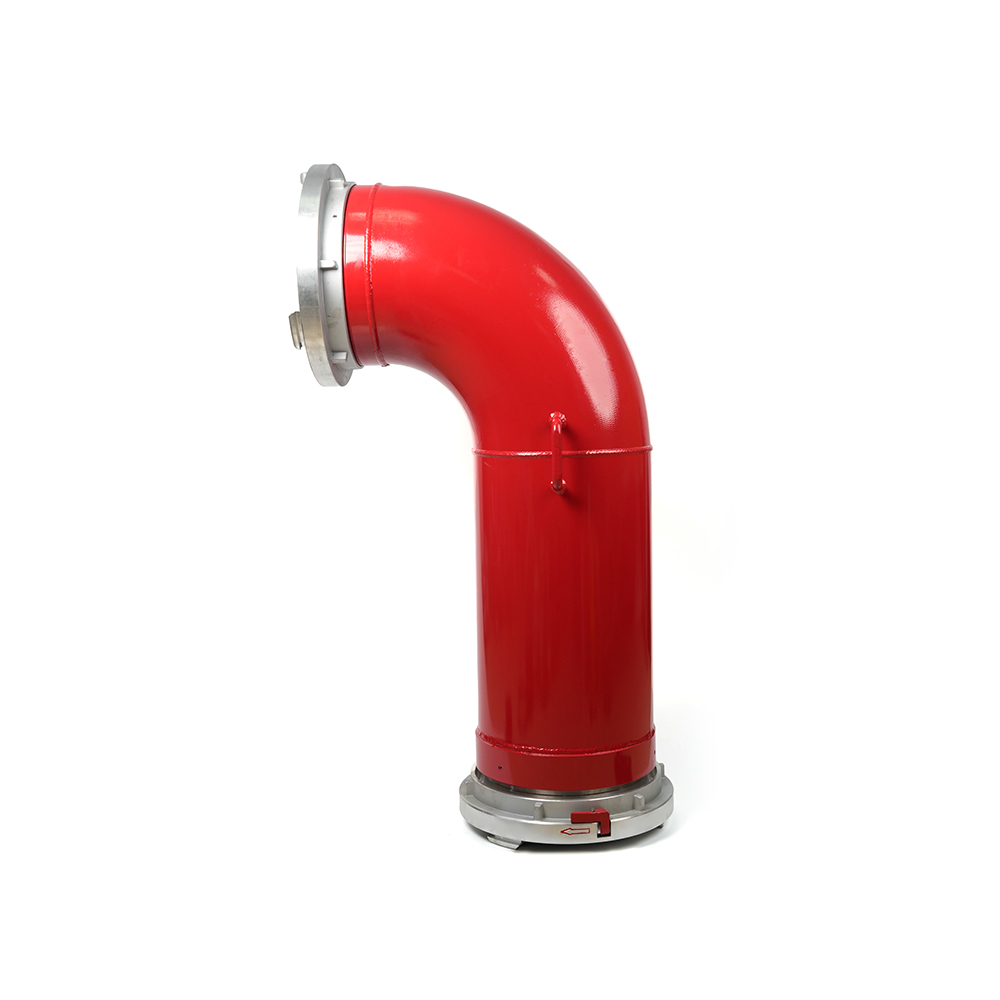 Codo de manguera contra incendios ranurado-Storz
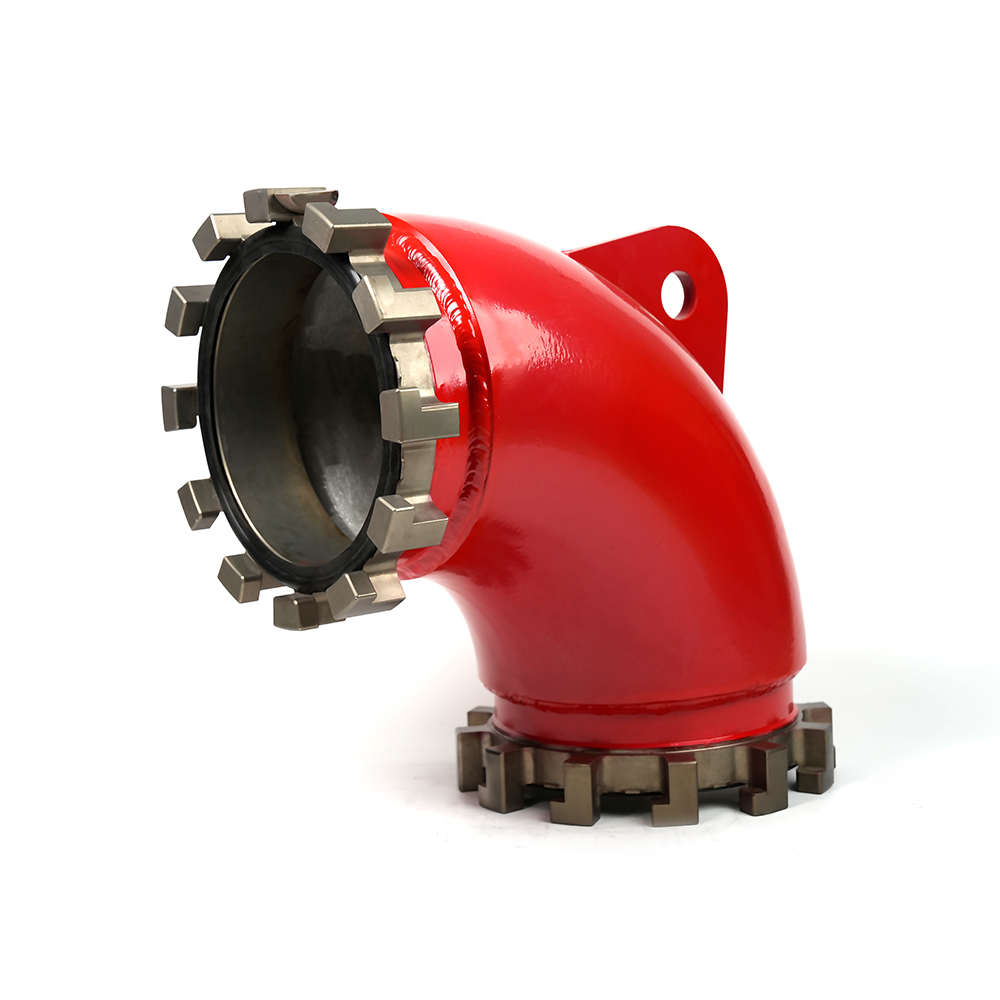 Codo de manguera contra incendios ranurado-multidiente
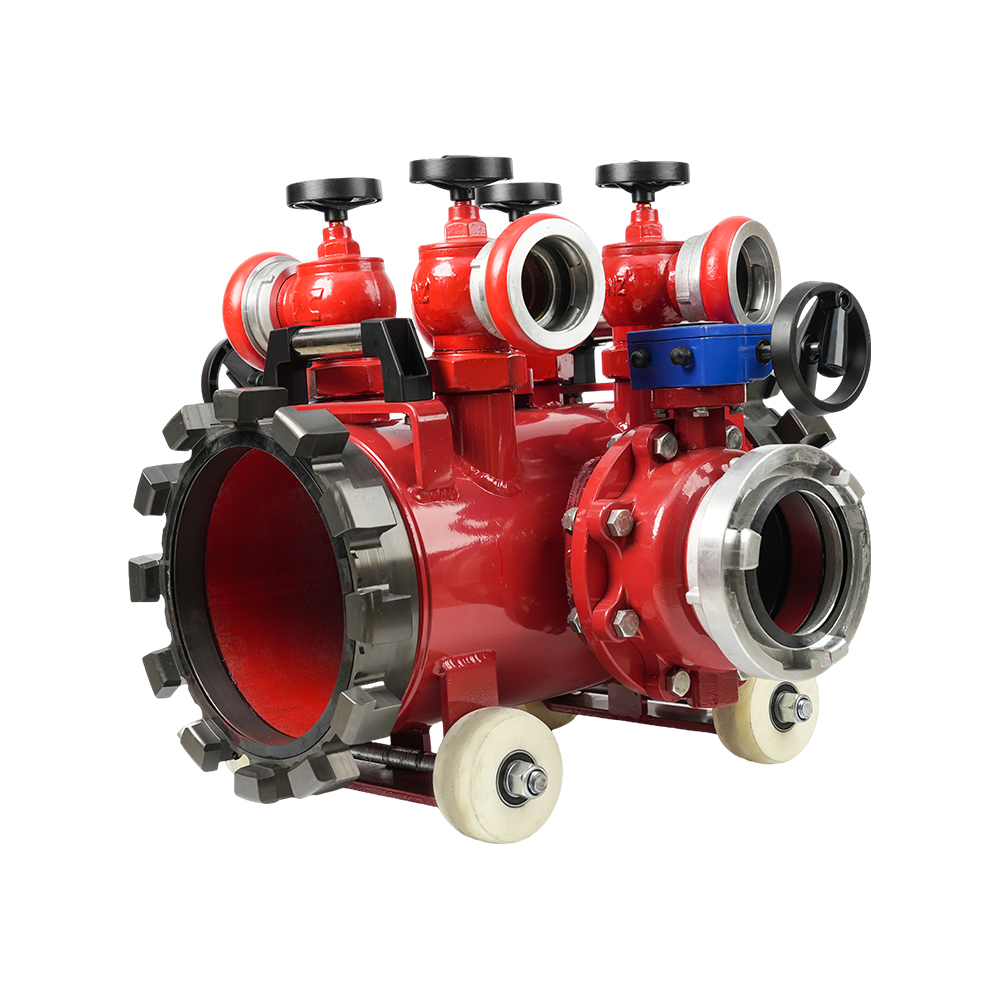 Distribuidor de manguera de incendios multifuncional
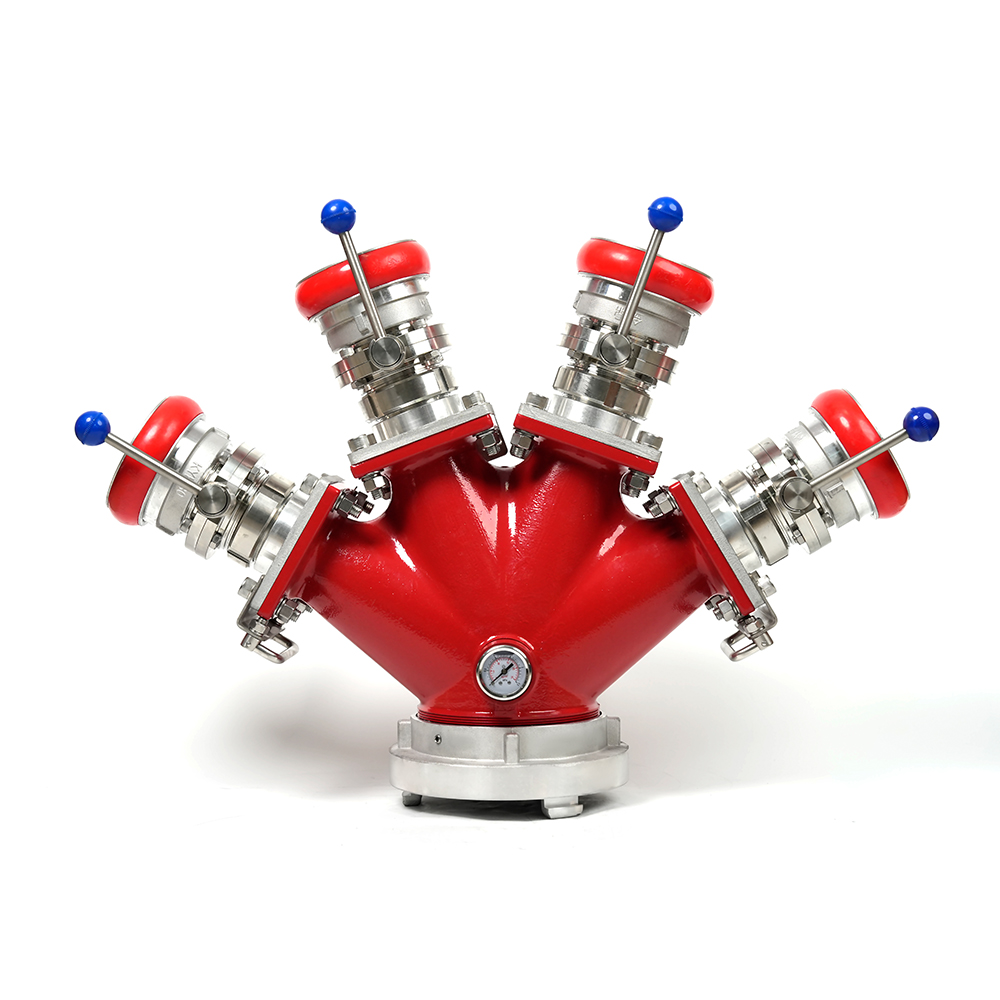 Distribuidor de manguera contra incendios de cuatro vías con bloqueo
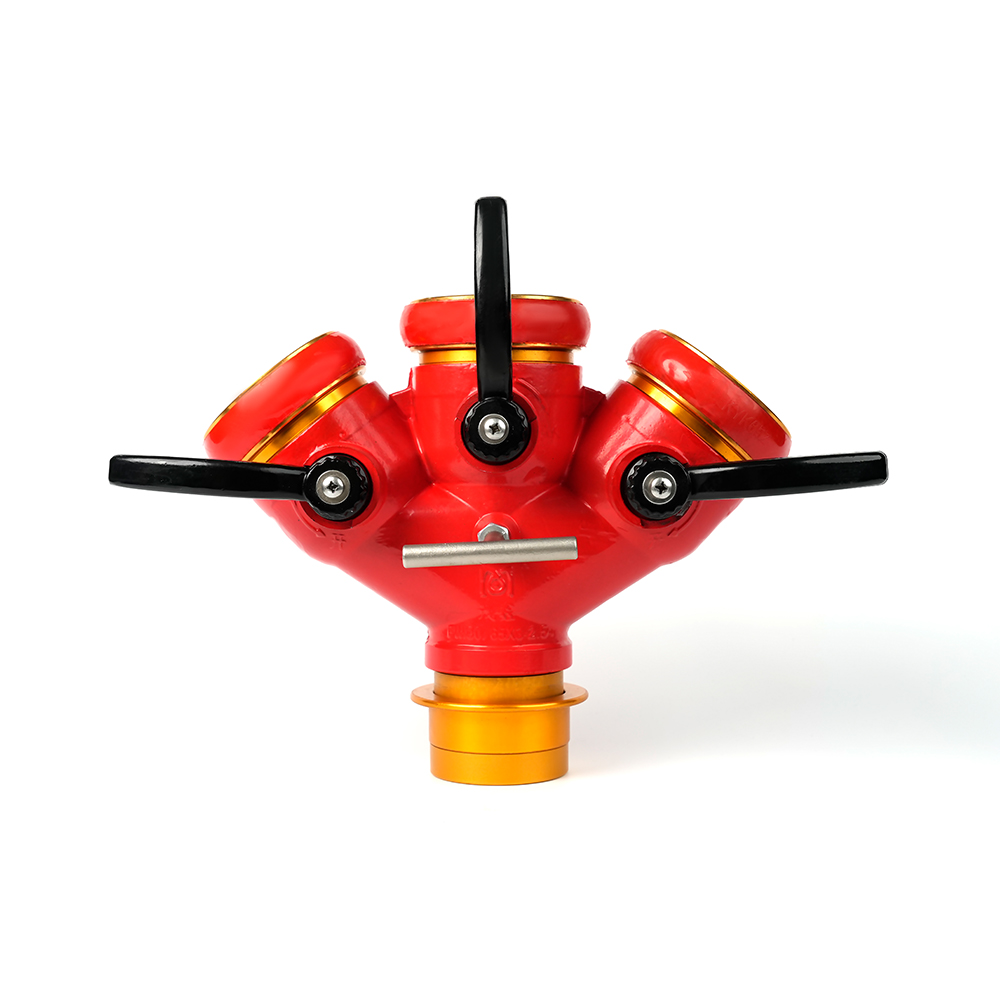 Distribuidor de manguera contra incendios de tres vías con bloqueo
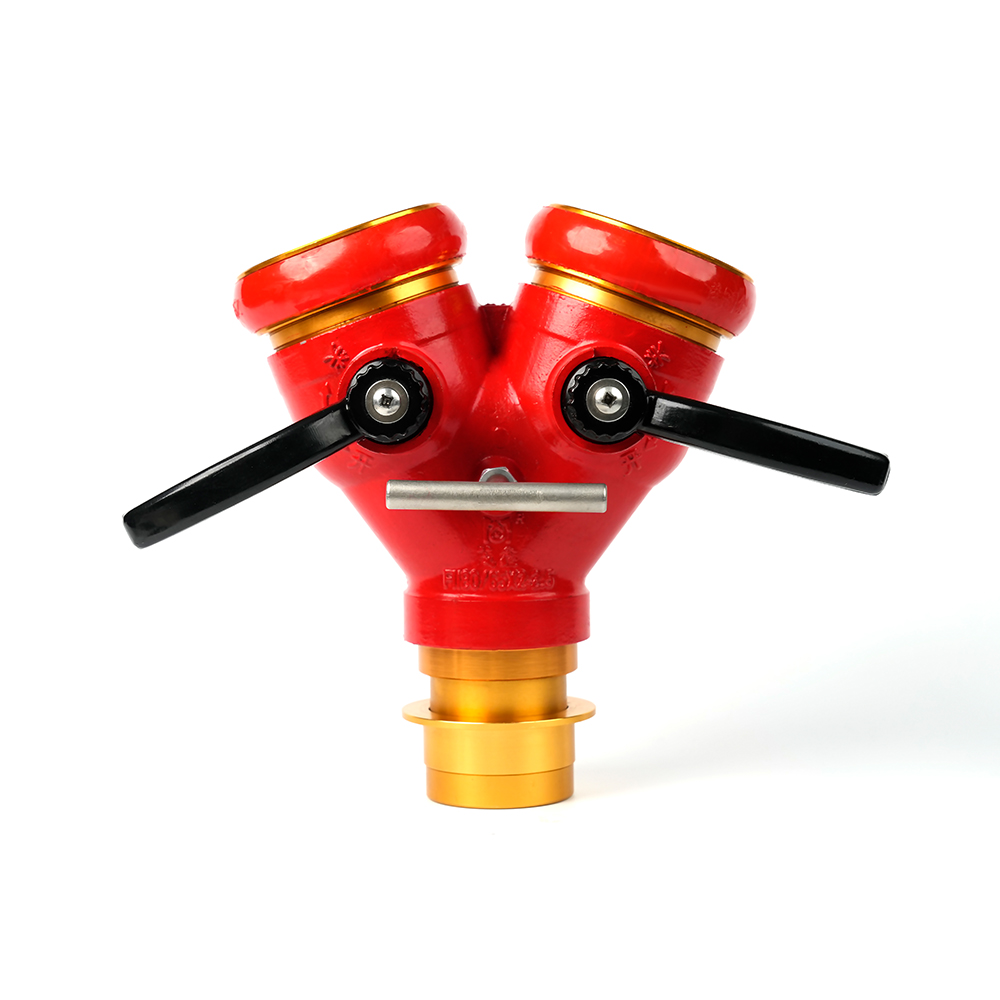 Distribuidor de manguera contra incendios de dos vías con bloqueo
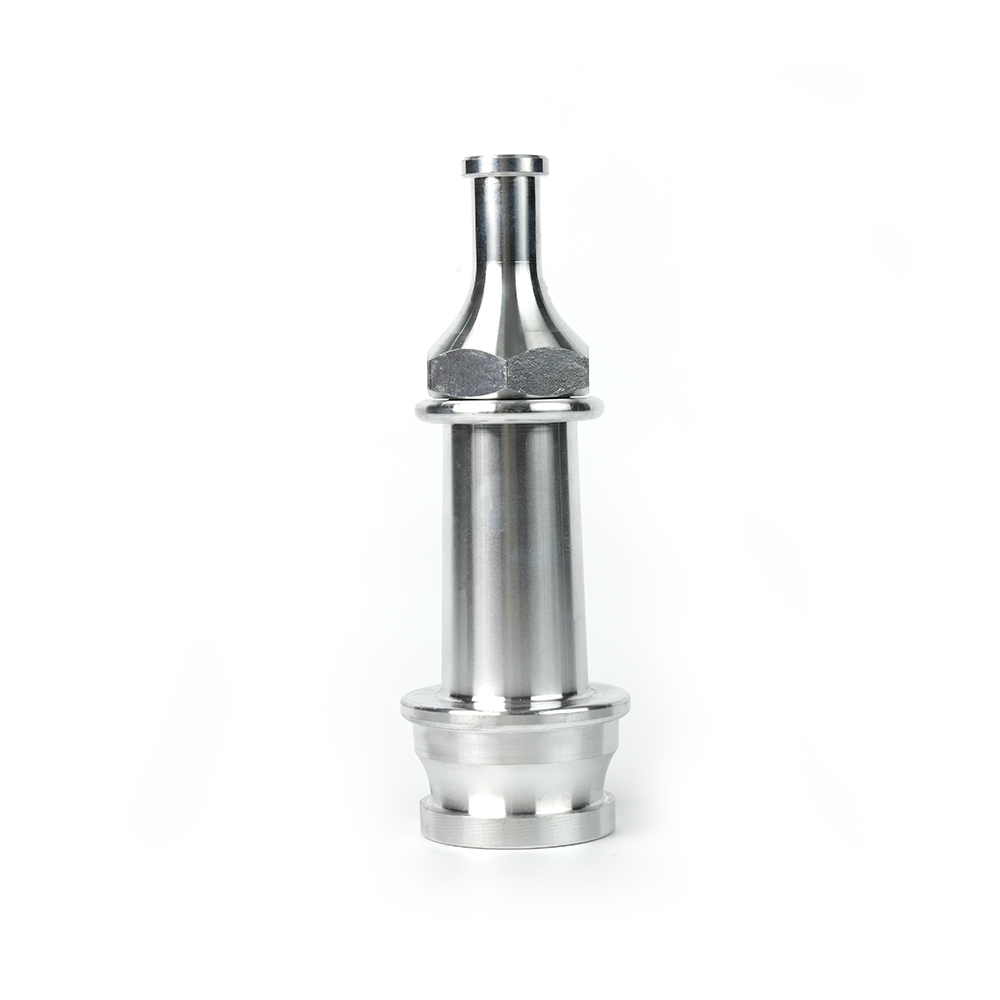 Boquilla de flujo recto
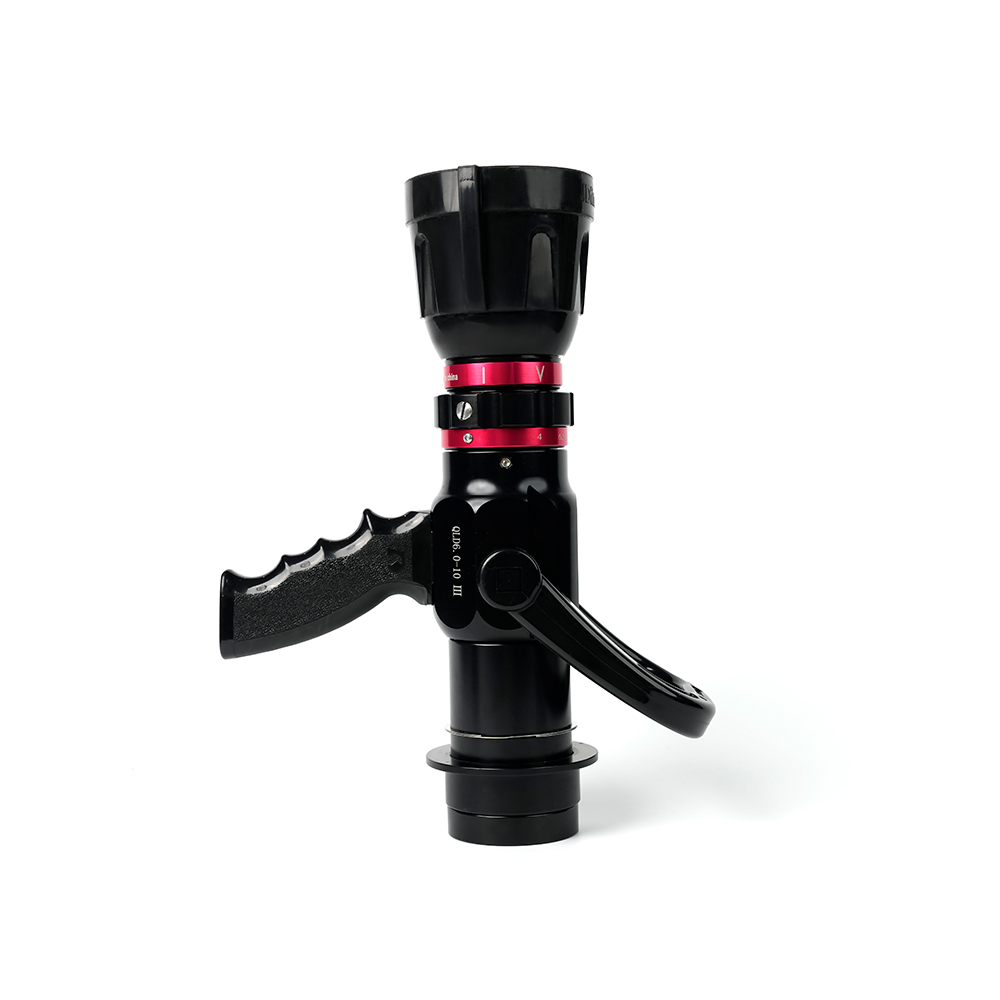 Boquilla ajustable-maquino
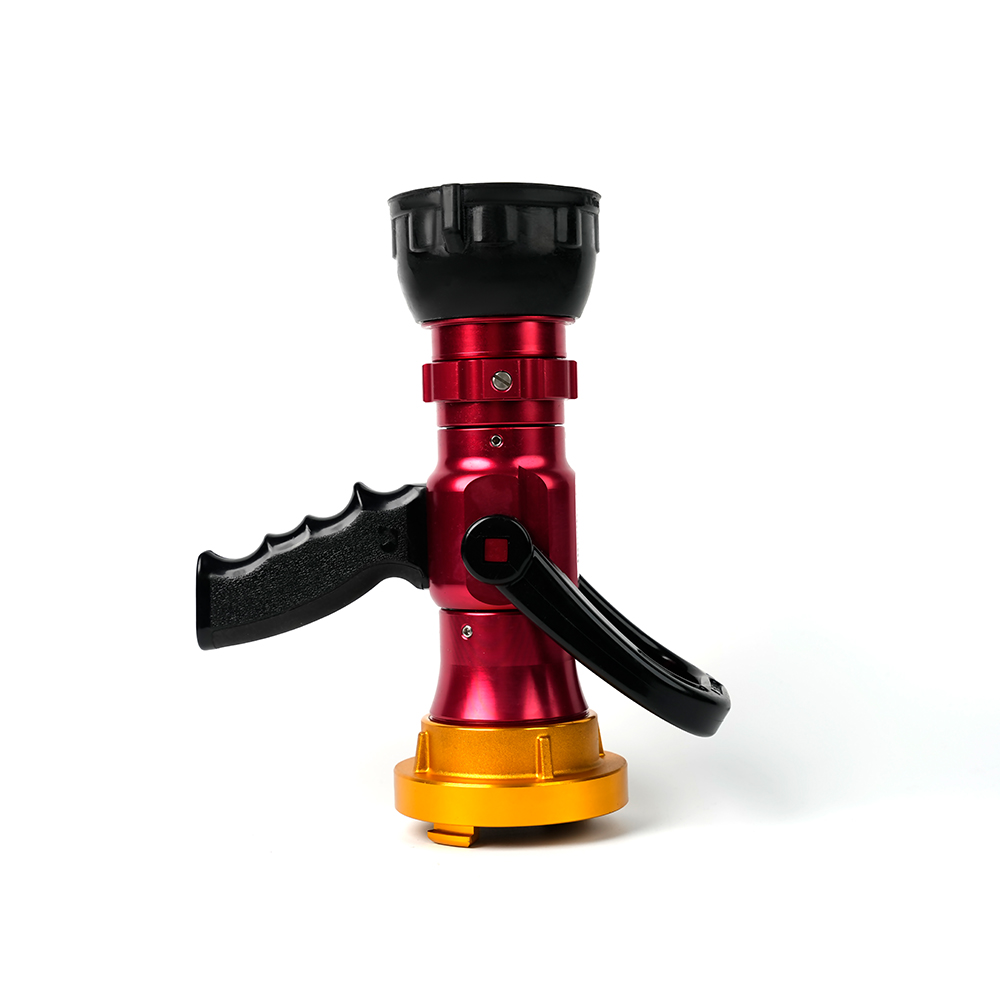 Boquilla ajustable-estorz
 STORZ - Multi -dientes
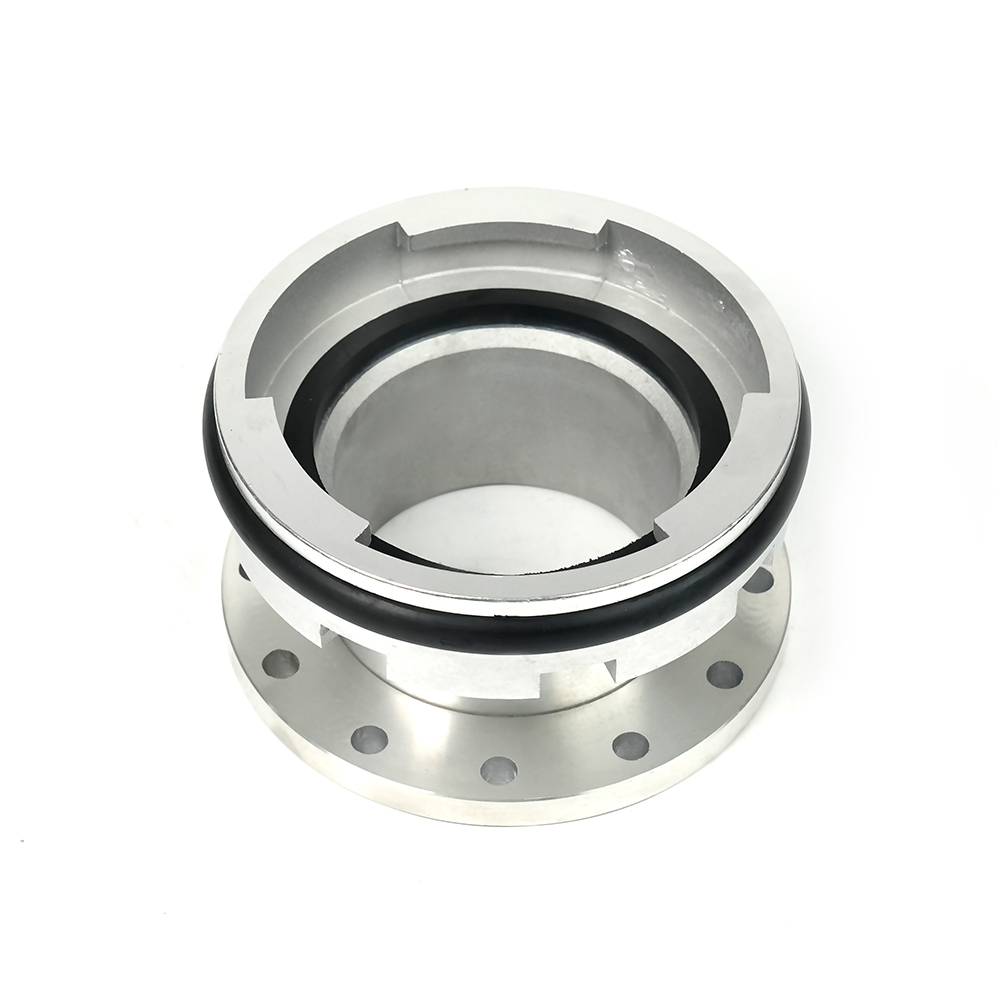 Machino - Bendido
 STORZ - BODILLO

 Número de contacto
+86-0523-83274900
+86-151 9064 3365
 Deje que nuestro equipo le ofrezca soluciones aduaneras.
 Dirección de la empresa
Lado oeste de la calle Hongxing Central, calle Lincheng, zona de desarrollo, ciudad de Xinghua, provincia de Jiangsu, China
Derecho de Autor @Jiangsu Jinding Fire Protection Technology Co., Ltd. Todos los Derechos Reservados
