 英语
英语 西班牙语
西班牙语 德语
德语Noticias de la industria


Ponerse en contacto
+86-0523-83274900
+86-151 9064 3365
Contenido
La forma correcta de medir Acoplamientos Storz es medir el diámetro interior de la cara del acoplamiento, no el diámetro exterior de las orejetas o de la lengüeta de la manguera, ya que los tamaños Storz se clasifican según el diámetro interno nominal del canal. Un error de medición común es incluir el ancho de la orejeta exterior, lo que puede hacer que un acoplamiento parezca uno o dos tamaños más grande que su tamaño nominal real. , lo que genera un conector que no coincide y que no se entrelazará correctamente con otro acoplamiento Storz del tamaño deseado.
Debido a que los acoplamientos Storz utilizan un diseño simétrico y de conexión rápida sin roscas, la identificación del tamaño depende completamente de esta medición del diámetro interno combinada con la verificación del número y el espaciado de las orejetas, ya que estos dos factores juntos confirman la compatibilidad con un acoplamiento coincidente en el otro extremo de la conexión.
A diferencia de los acoplamientos roscados, los accesorios Storz se basan en un diseño simétrico que permite que dos acoplamientos idénticos se bloqueen con un cuarto de vuelta, independientemente de la orientación. Este diseño solo funciona correctamente cuando ambos acoplamientos comparten exactamente el mismo tamaño nominal, lo que hace que una medición precisa sea esencial antes de pedir piezas de repuesto o conectar equipos de diferentes fabricantes.
Los departamentos de bomberos y las instalaciones industriales que estandarizan su proceso de medición de acoplamientos generalmente reducen significativamente estos incidentes de mal ajuste, ya que confirmar el diámetro interno antes de la compra elimina la mayoría de las conjeturas involucradas en la compatibilidad cruzada.
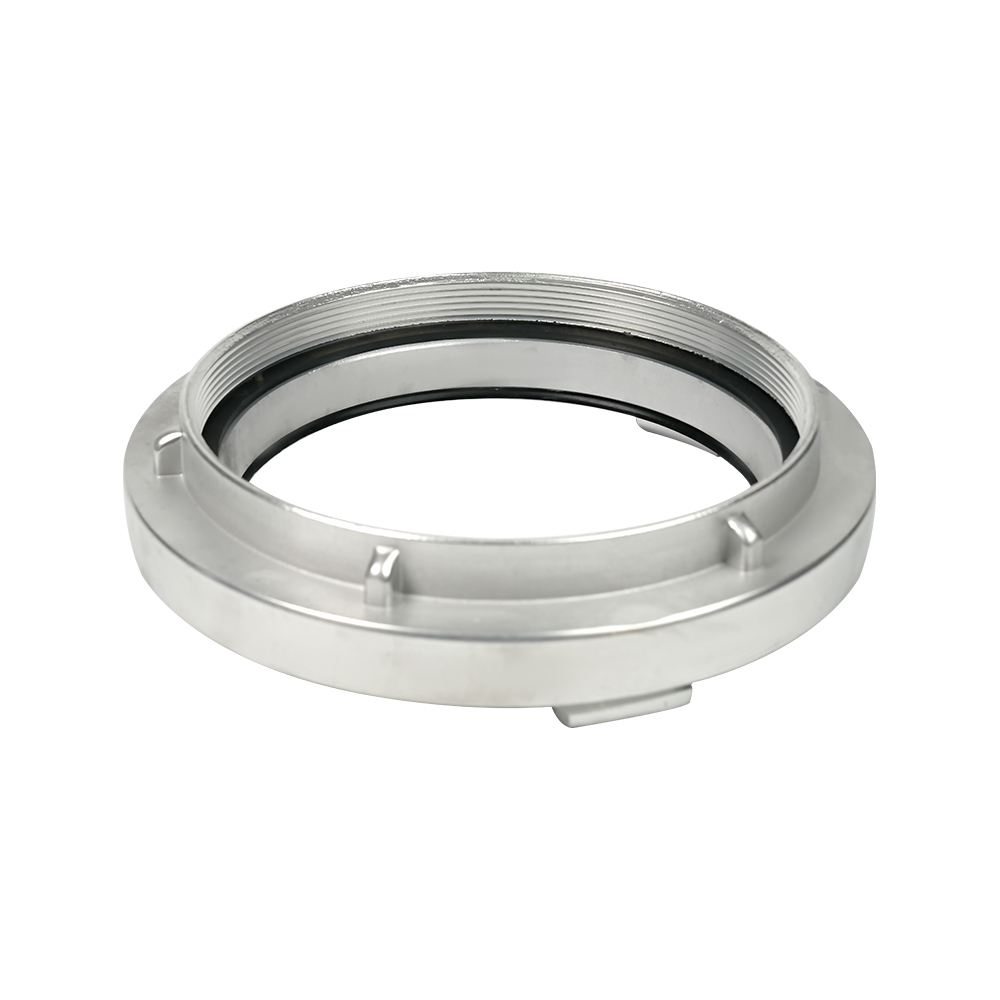
Para medir correctamente un acoplamiento Storz se necesitan herramientas sencillas que la mayoría de los técnicos en equipos contra incendios o el personal de mantenimiento de las instalaciones ya tienen a mano.
Se prefiere un calibre a una cinta métrica estándar para la confirmación final, ya que proporciona una lectura más precisa del diámetro interno del canal sin el ligero error de medición que puede ocurrir al enrollar una cinta flexible alrededor de una superficie curva.
Seguir una secuencia de medición consistente ayuda a evitar el error común de medir la parte incorrecta del acoplamiento.
Tomar la medición en dos o tres puntos alrededor de la cara del acoplamiento y promediar los resultados ayuda a tener en cuenta cualquier desgaste o deformación menor que pueda haber ocurrido en un acoplamiento que ha estado en servicio durante un período prolongado.
Los acoplamientos Storz se fabrican en una variedad de tamaños estandarizados, cada uno identificado por su diámetro interno nominal. Conocer estos tamaños de referencia hace que sea más fácil confirmar una medición con respecto a un estándar establecido en lugar de depender únicamente de la estimación.
| Storz 25 | Diámetro interno nominal de aproximadamente 25 mm, utilizado para mangueras pequeñas |
| Storz 52 | Diámetro interno nominal de aproximadamente 52 mm, común en mangueras de ataque |
| Storz 65 | Diámetro interno nominal de aproximadamente 65 mm, utilizado en líneas de suministro más grandes |
| Storz 110 | Diámetro interno nominal de aproximadamente 110 mm, utilizado para conexiones de hidrantes y mangueras de suministro de gran diámetro |
Estas convenciones de tamaño son ampliamente citadas en los estándares de equipos de servicios contra incendios a nivel internacional, aunque vale la pena confirmar la especificación exacta con el estándar utilizado en un país o región específico, ya que pueden existir variaciones regionales menores en las dimensiones del acoplamiento.
El diámetro por sí solo no garantiza una conexión adecuada si el número de terminales o el espacio no coincide entre dos acoplamientos. Confirmar el diámetro y la configuración de la orejeta juntos proporciona una verificación del tamaño más confiable que la medición del diámetro por sí sola.
Una junta desgastada o faltante es una de las causas más comunes de una conexión con fugas, incluso cuando el tamaño del acoplamiento en sí es correcto. , por lo que una inspección completa junto con la medición del diámetro brinda una imagen más completa de si un acoplamiento está listo para funcionar.
Un puñado de errores recurrentes explican la mayoría de las identificaciones de tamaño incorrectas al medir los acoplamientos Storz en el campo.
Comparar una medida física con una tabla de tallas impresa o digital, en lugar de confiar en la memoria o la estimación visual, sigue siendo la forma más confiable de evitar una determinación de tamaño incorrecta durante la inspección o adquisición de equipos.
Incluso un acoplamiento que mida correctamente puede necesitar reemplazo si el desgaste físico ha comprometido su capacidad para sellar adecuadamente. Reconocer estos signos durante las comprobaciones de medición de rutina ayuda a mantener la preparación confiable del equipo.
Proveedores de equipos contra incendios como la fabricación de JD Firetech. Acoplamientos Storz construidos con tolerancias dimensionales estandarizadas, lo que ayuda a garantizar que los acoplamientos de repuesto medidos y ordenados de acuerdo con el tamaño nominal correcto se conecten de manera confiable con las mangueras existentes y los equipos de hidrantes que ya están en servicio.
Para los departamentos de bomberos y las instalaciones industriales que manejan grandes cantidades de mangueras y equipos de acoplamiento, establecer una rutina consistente de medición y etiquetado reduce la confusión durante las revisiones de los equipos y el despliegue de emergencia.
Un sistema de inventario de acoplamientos bien organizado, construido en torno a prácticas de medición consistentes y precisas, reduce el riesgo de fallas de conexión durante situaciones urgentes en las que es esencial una coincidencia de acoplamientos rápida y confiable.
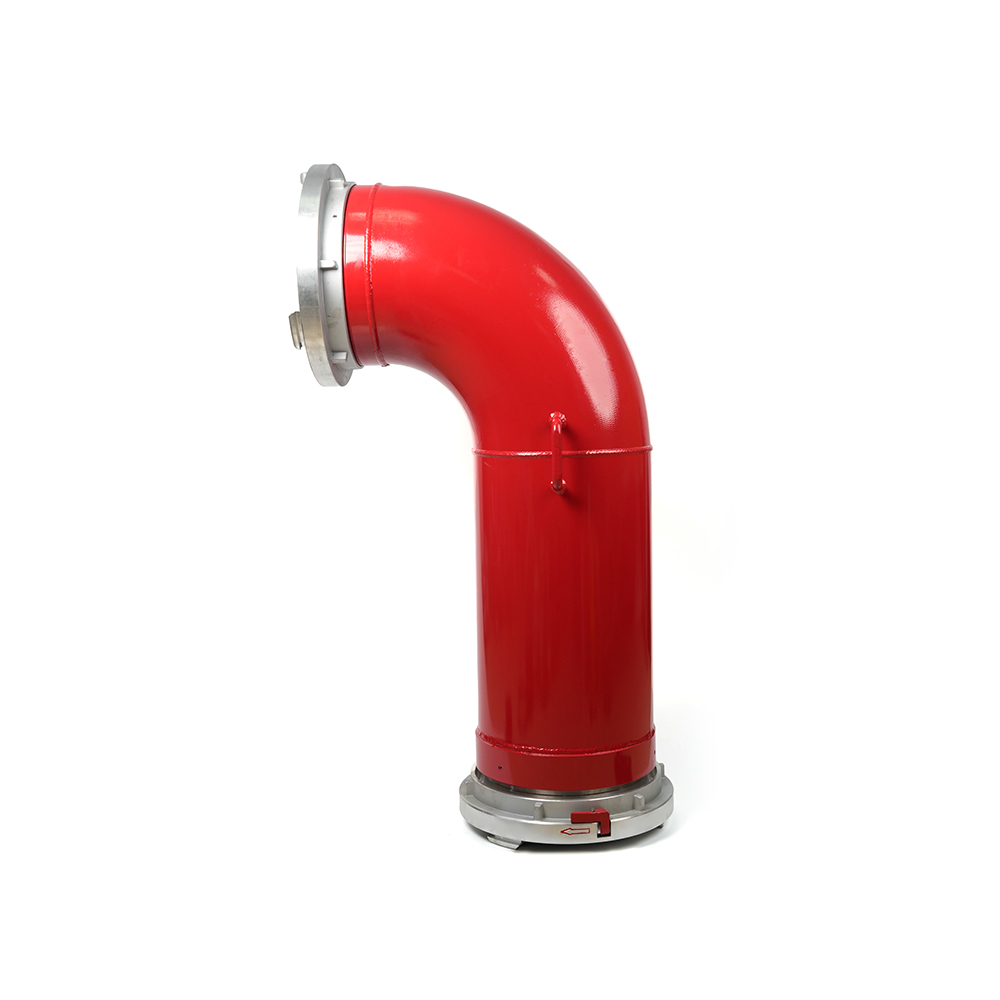 Codo de manguera contra incendios ranurado-Storz
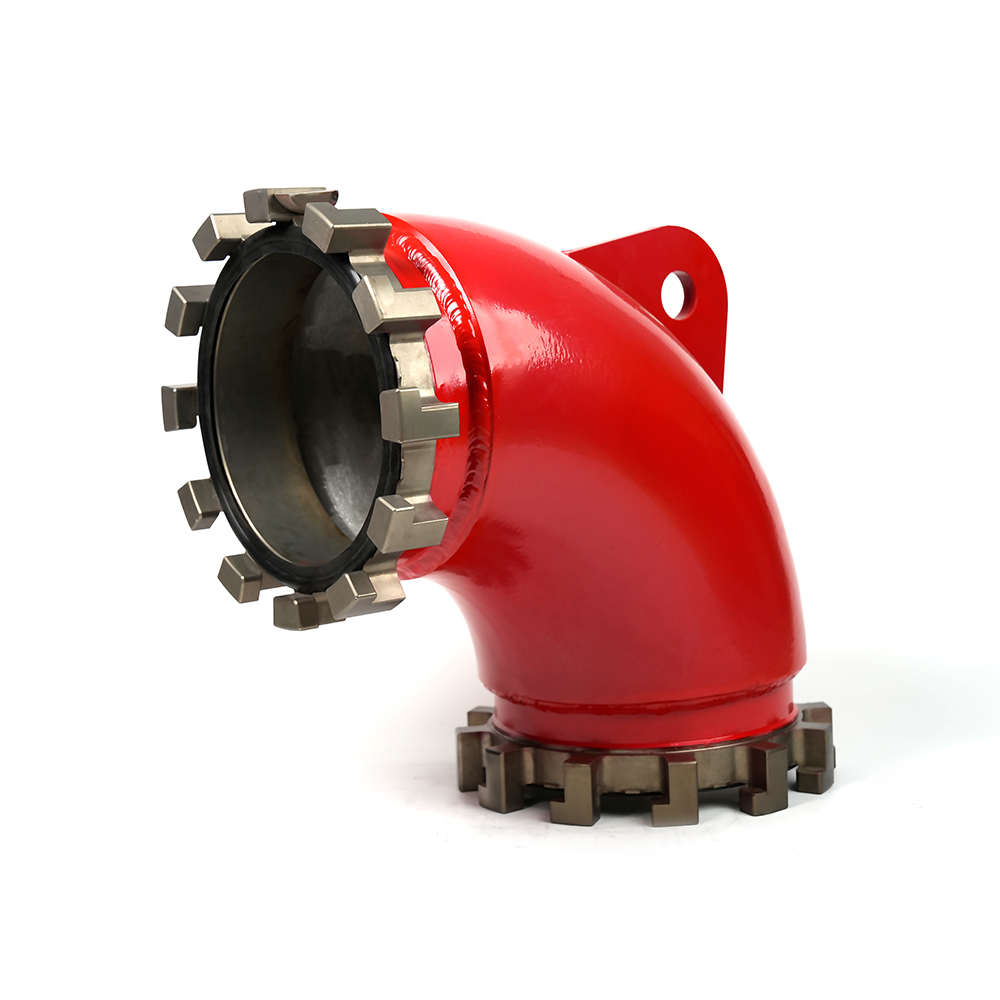 Codo de manguera contra incendios ranurado-multidiente
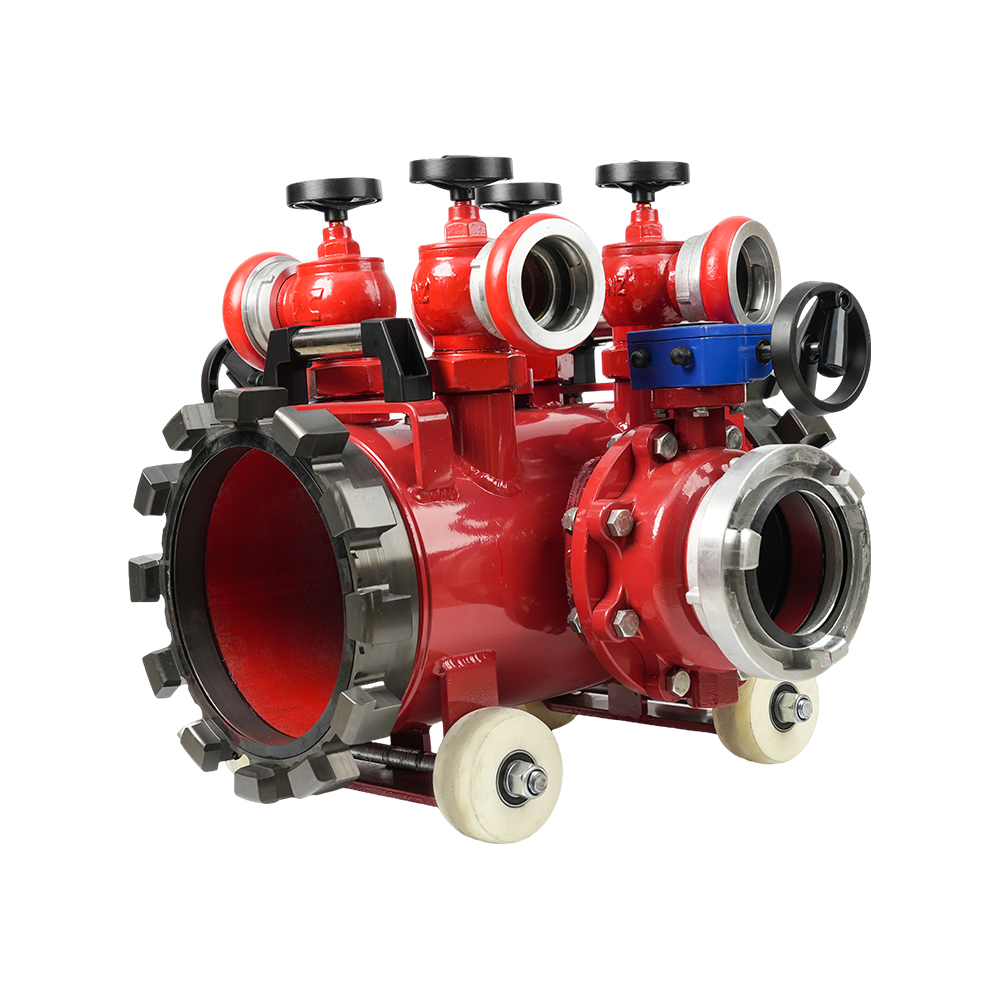 Distribuidor de manguera de incendios multifuncional
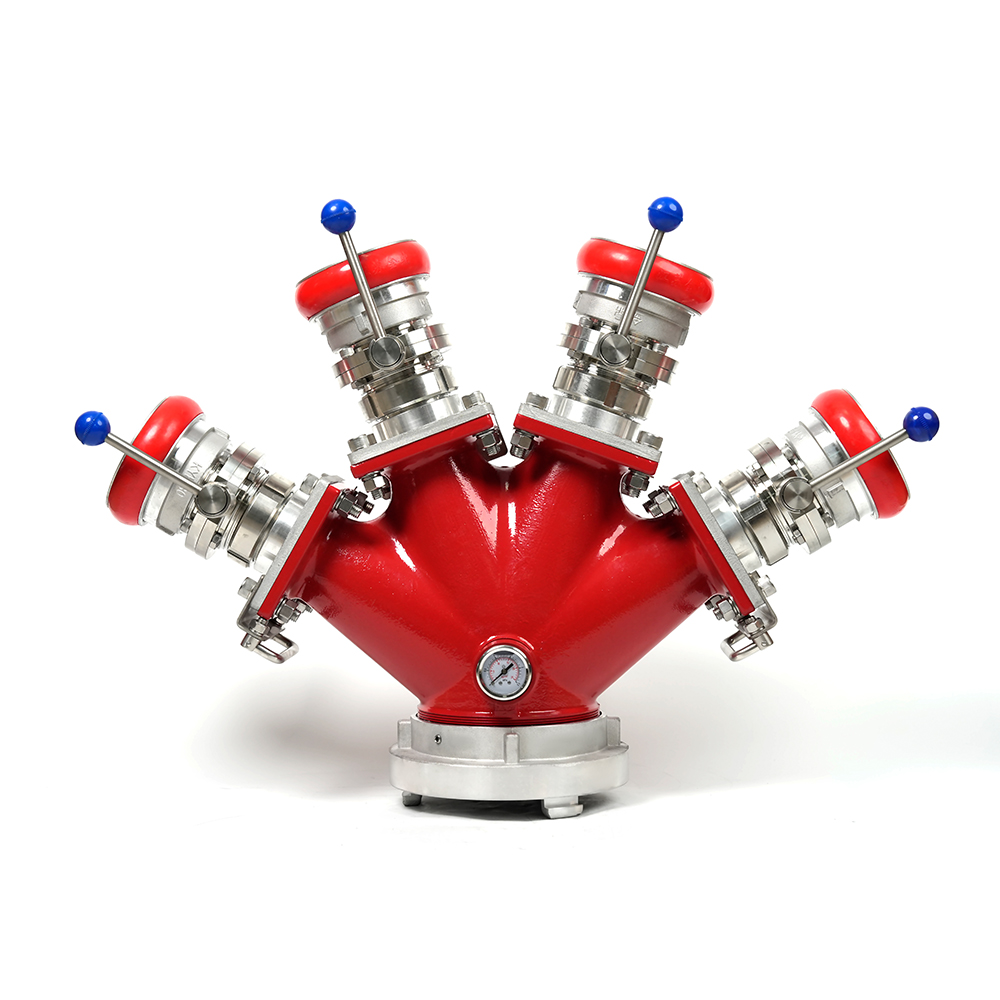 Distribuidor de manguera contra incendios de cuatro vías con bloqueo
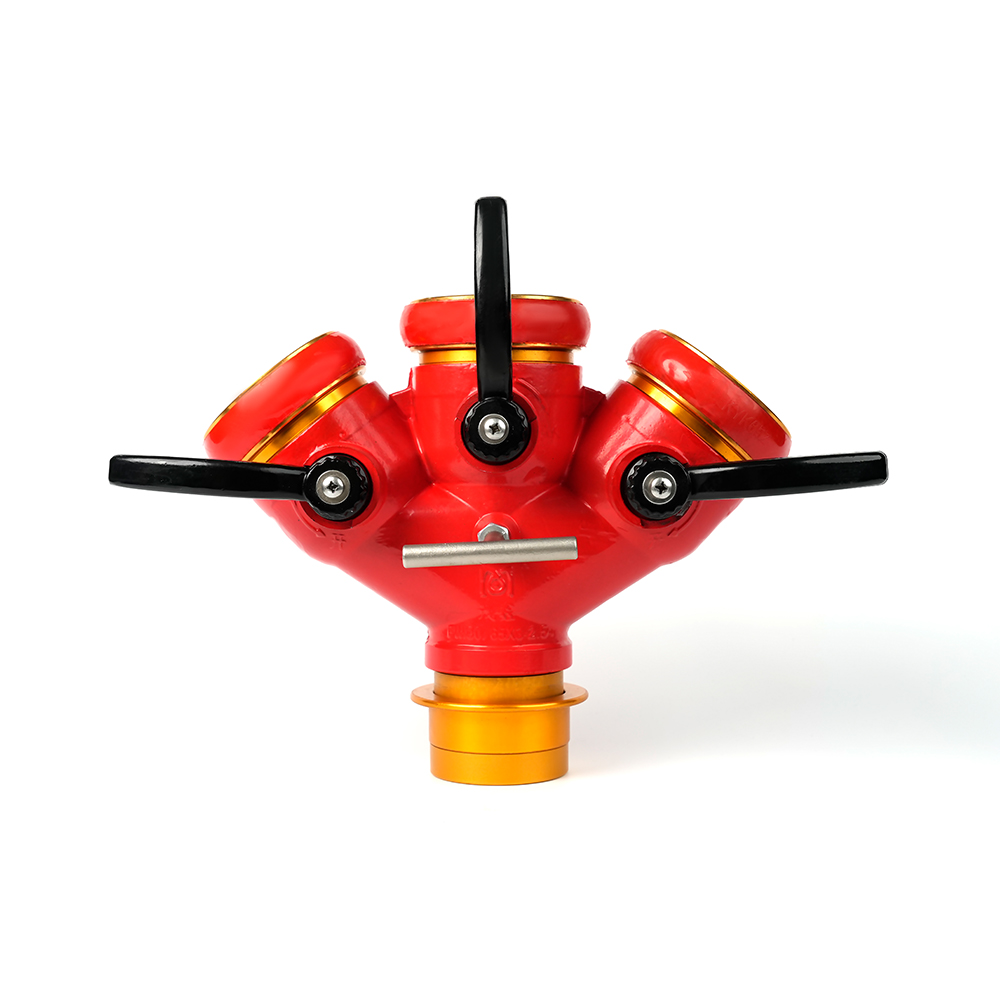 Distribuidor de manguera contra incendios de tres vías con bloqueo
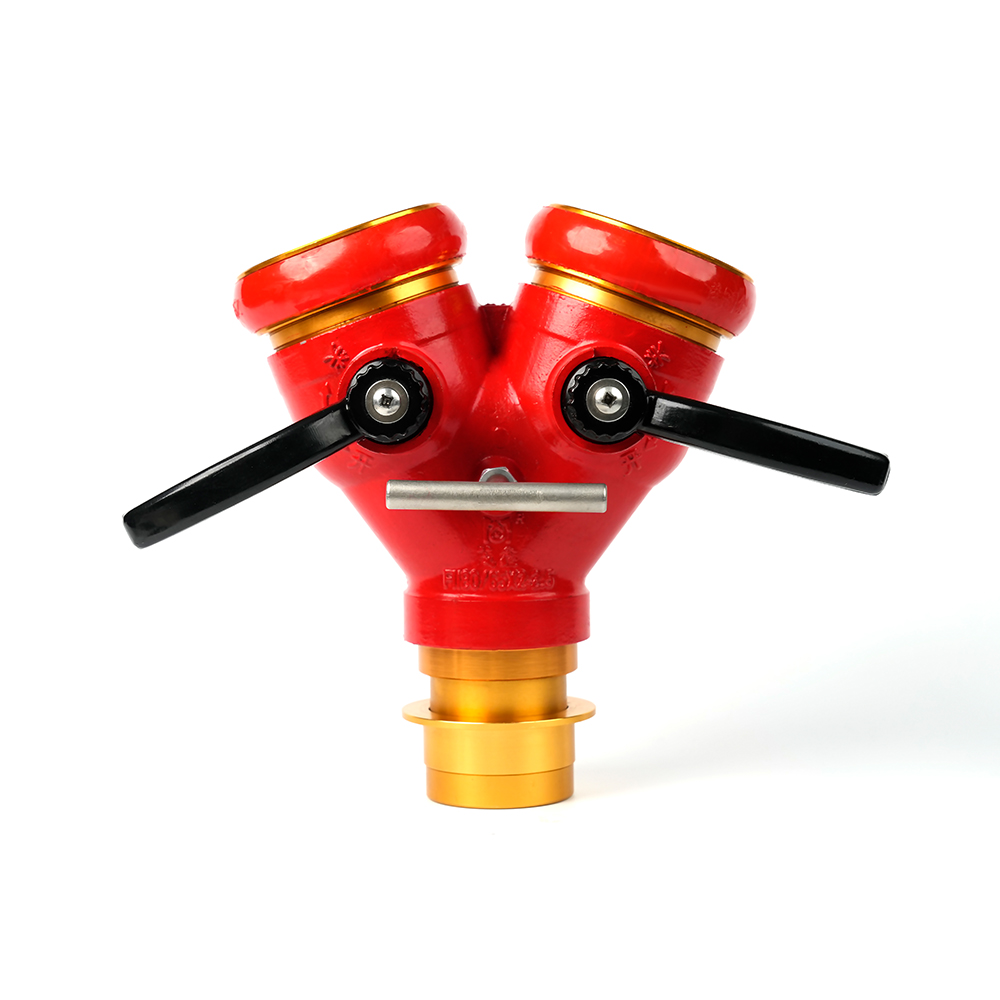 Distribuidor de manguera contra incendios de dos vías con bloqueo
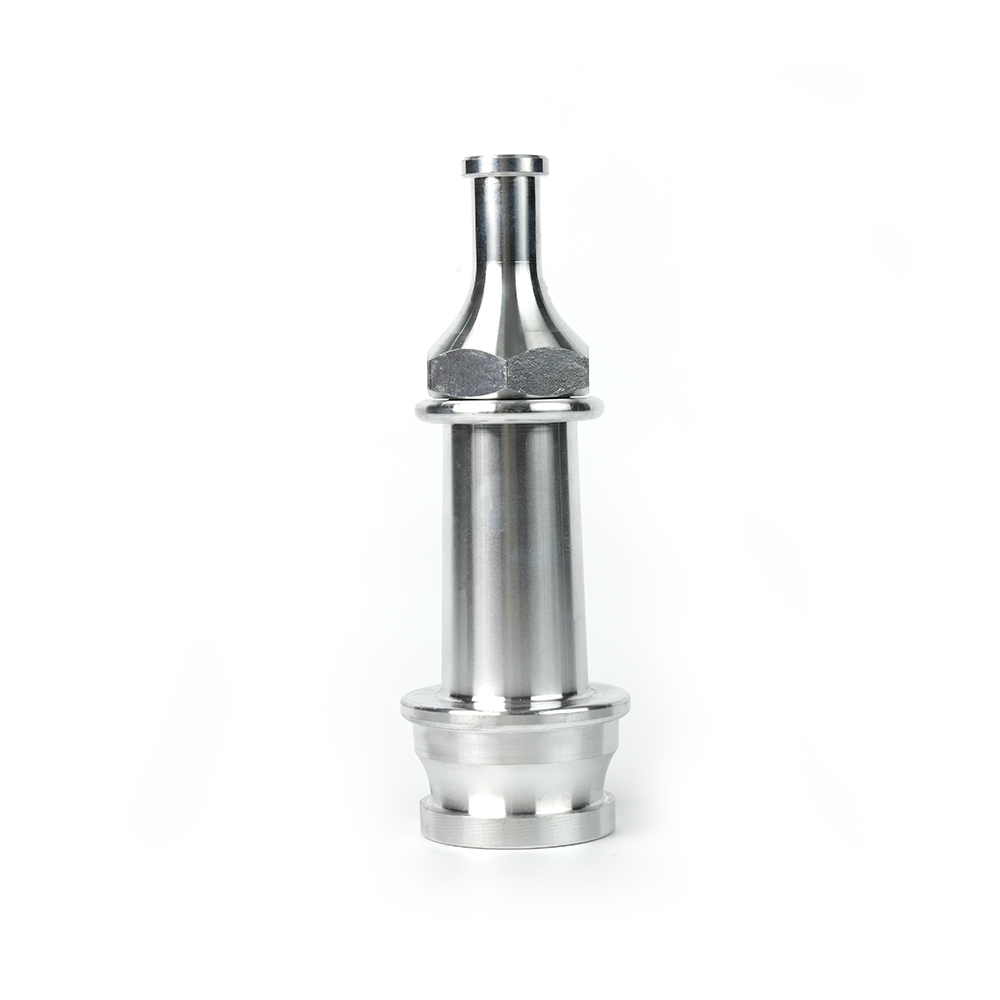 Boquilla de flujo recto
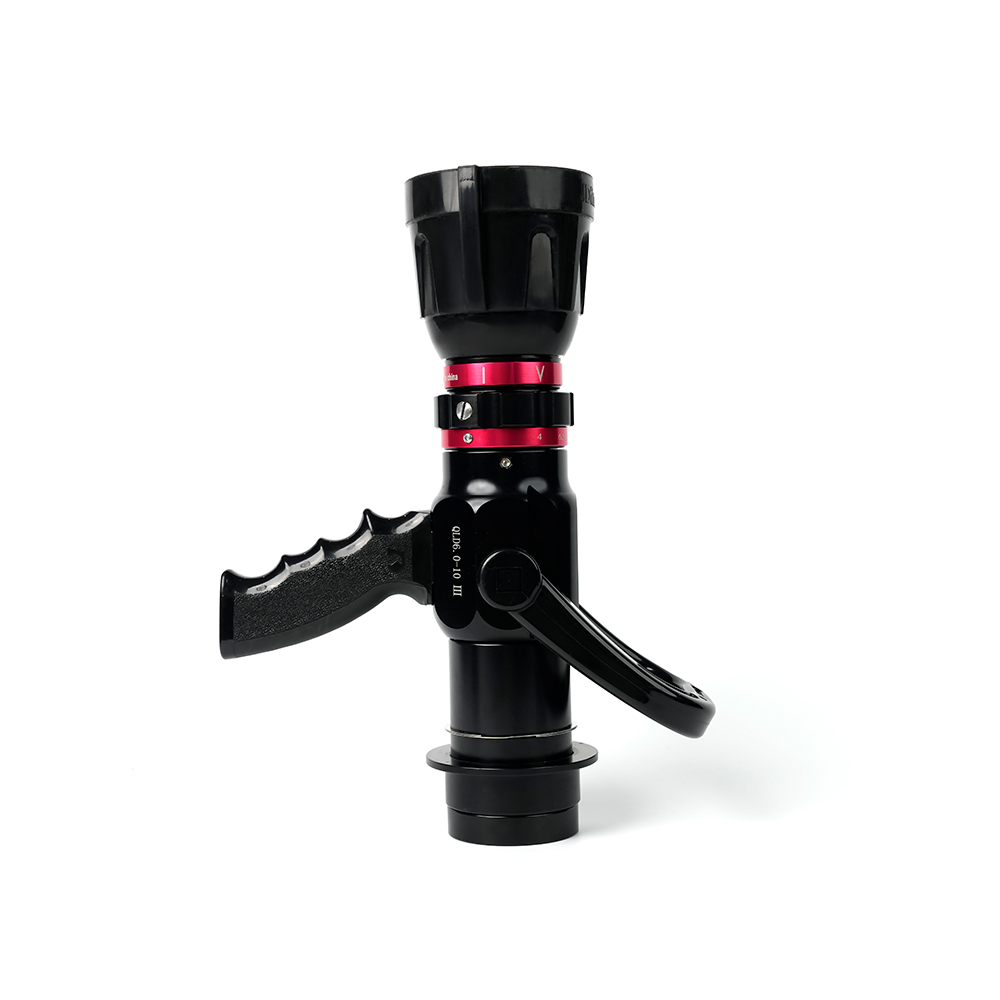 Boquilla ajustable-maquino
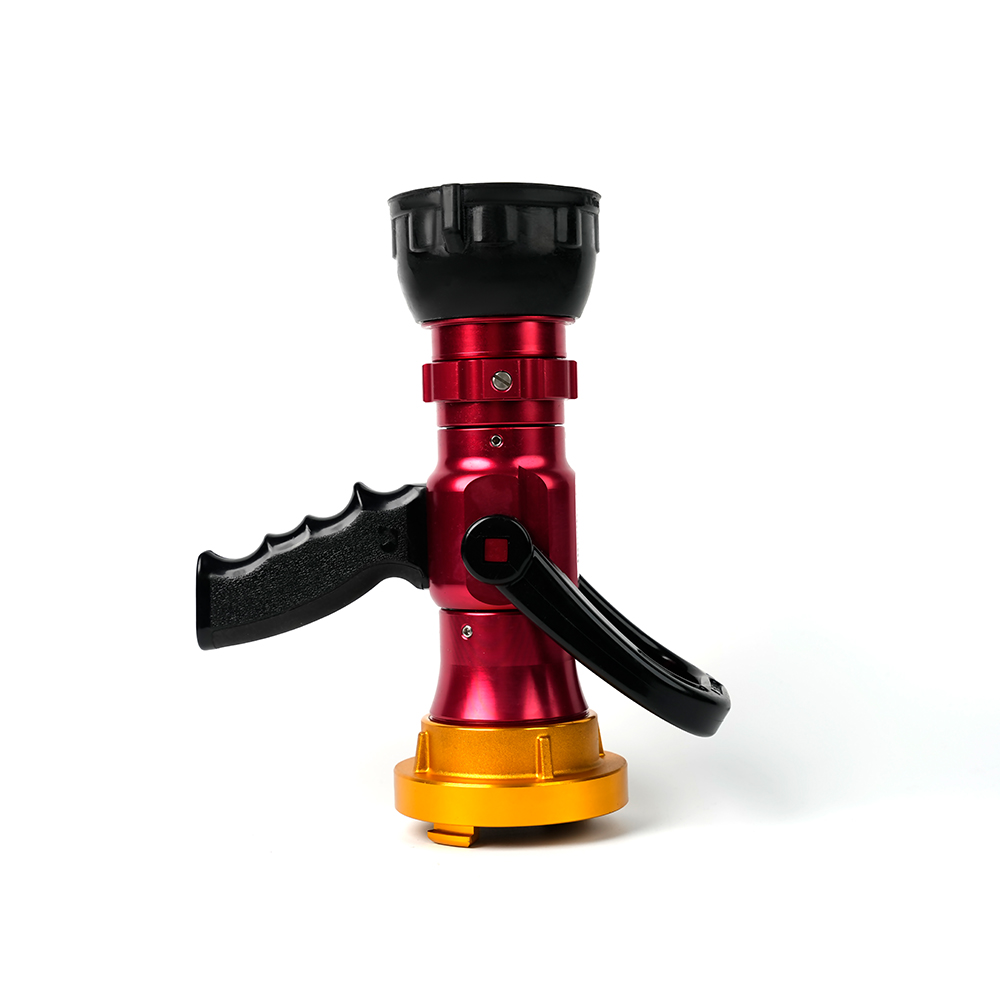 Boquilla ajustable-estorz
 STORZ - Multi -dientes
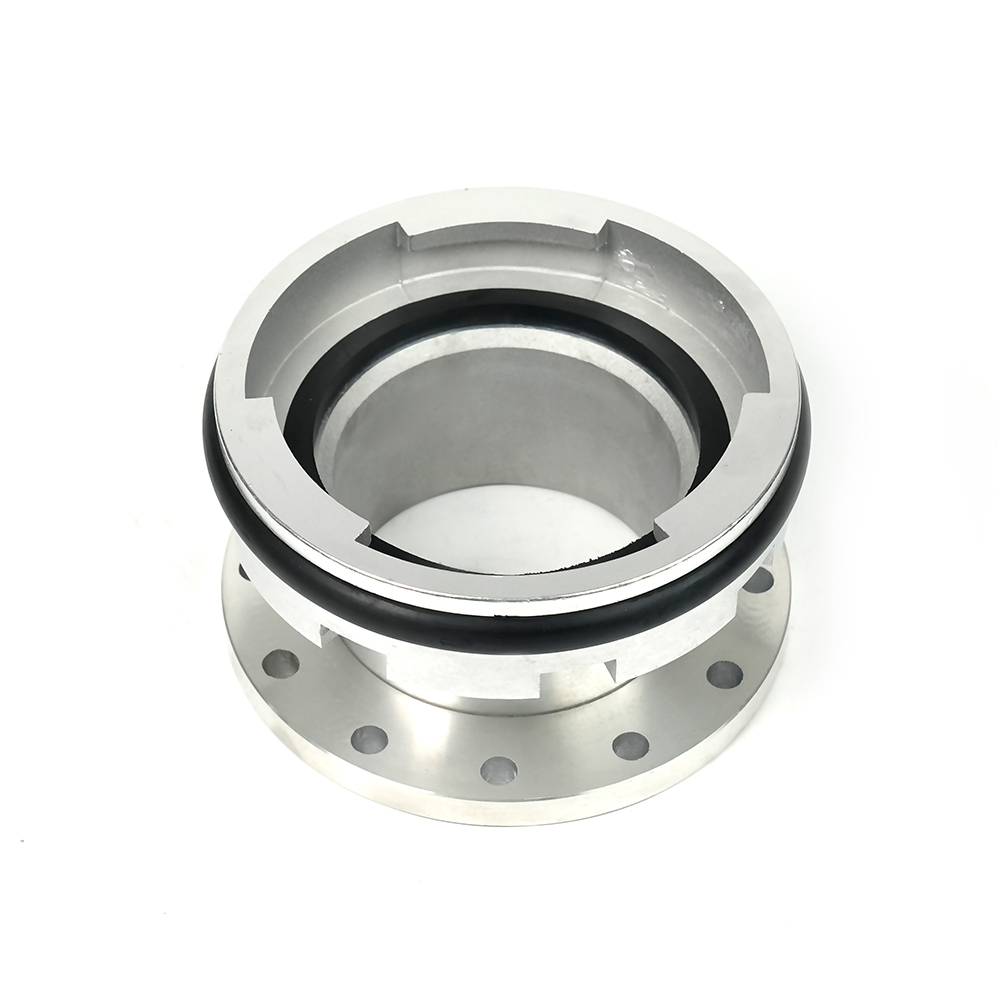 Machino - Bendido
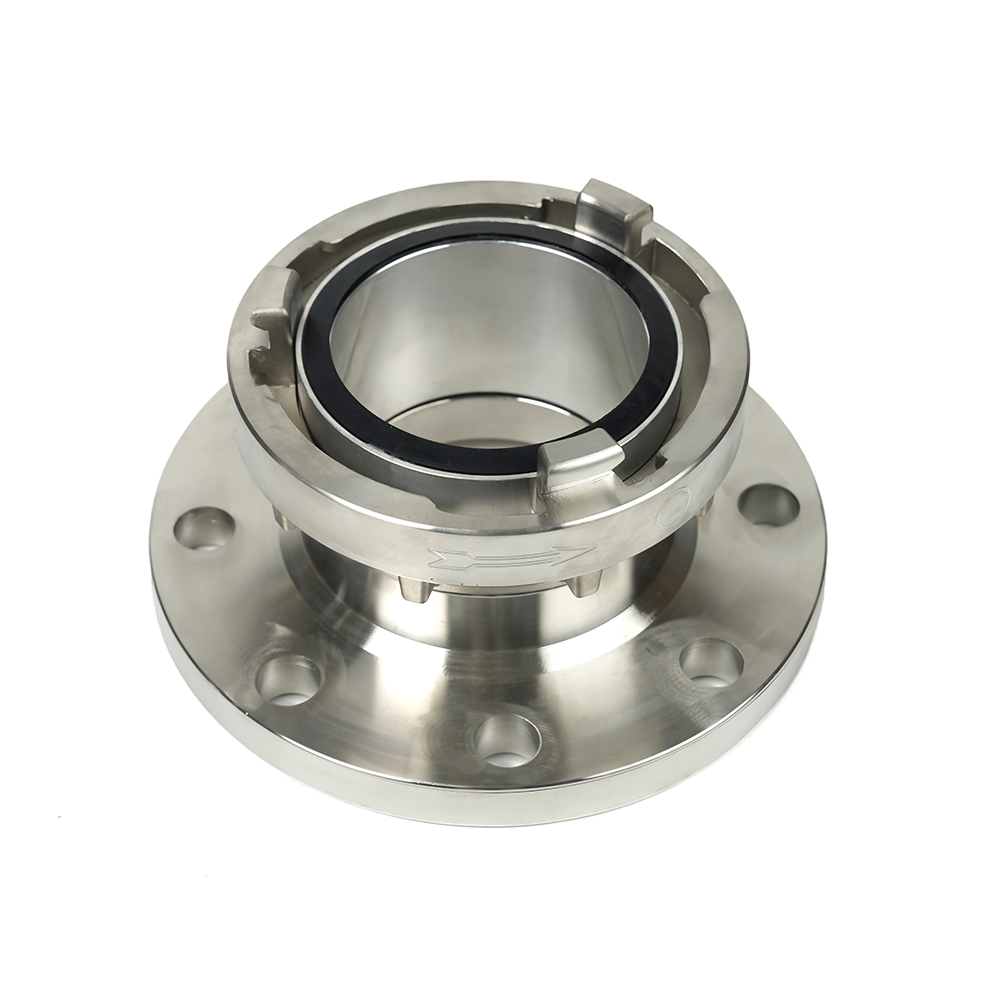 STORZ - BODILLO

 Número de contacto
+86-0523-83274900
+86-151 9064 3365
 Deje que nuestro equipo le ofrezca soluciones aduaneras.
 Dirección de la empresa
Lado oeste de la calle Hongxing Central, calle Lincheng, zona de desarrollo, ciudad de Xinghua, provincia de Jiangsu, China
Derecho de Autor @Jiangsu Jinding Fire Protection Technology Co., Ltd. Todos los Derechos Reservados
